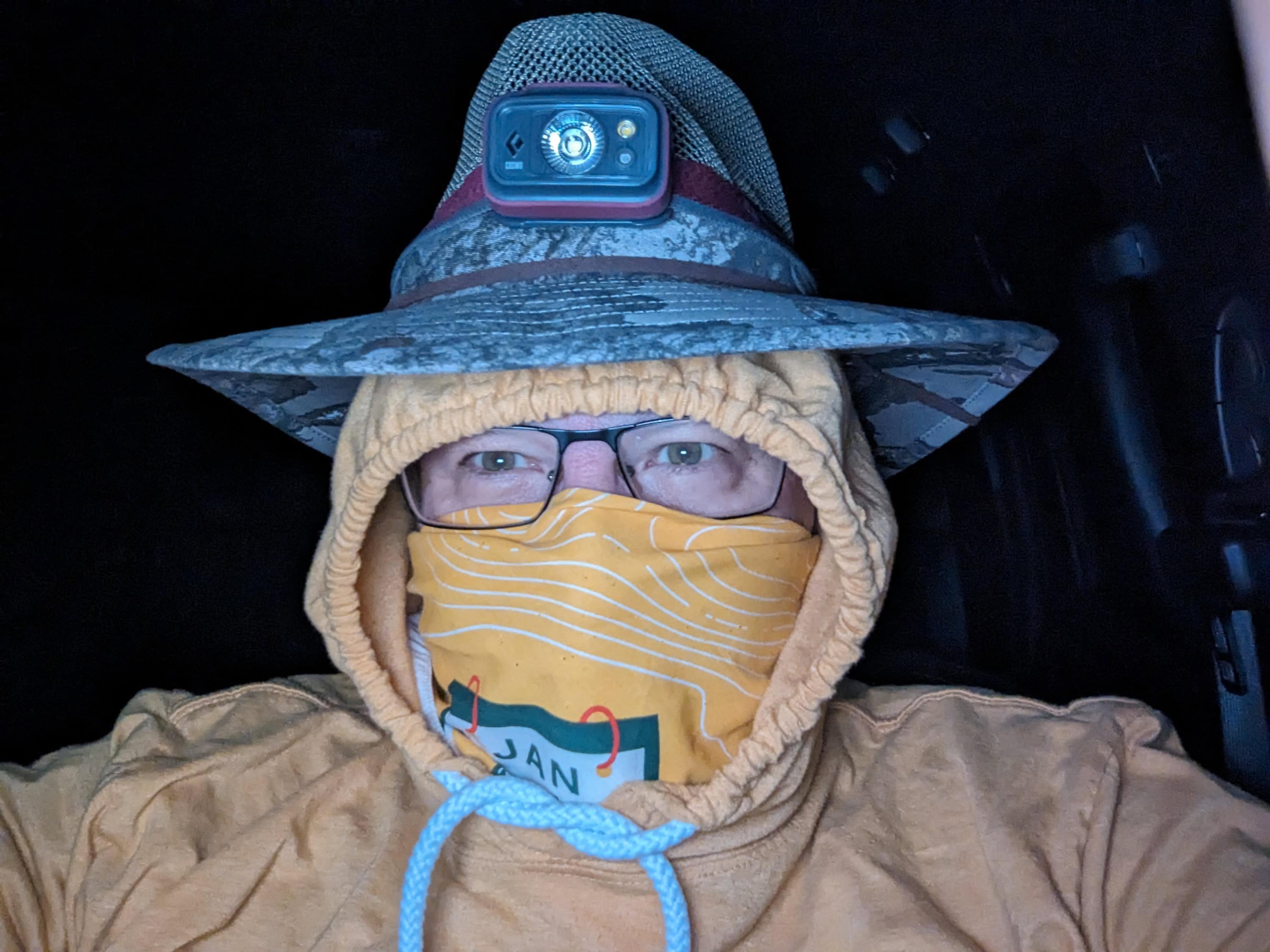
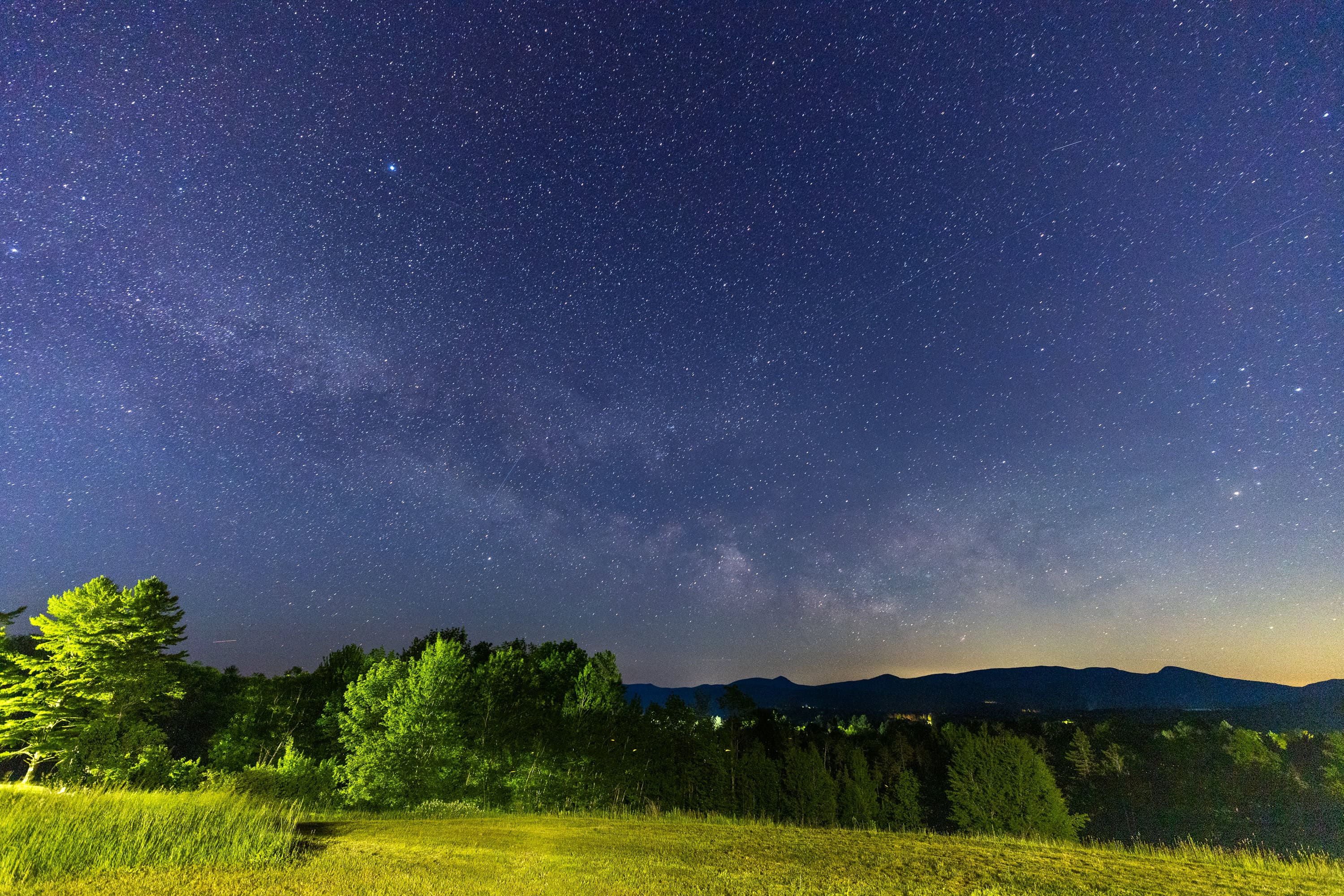
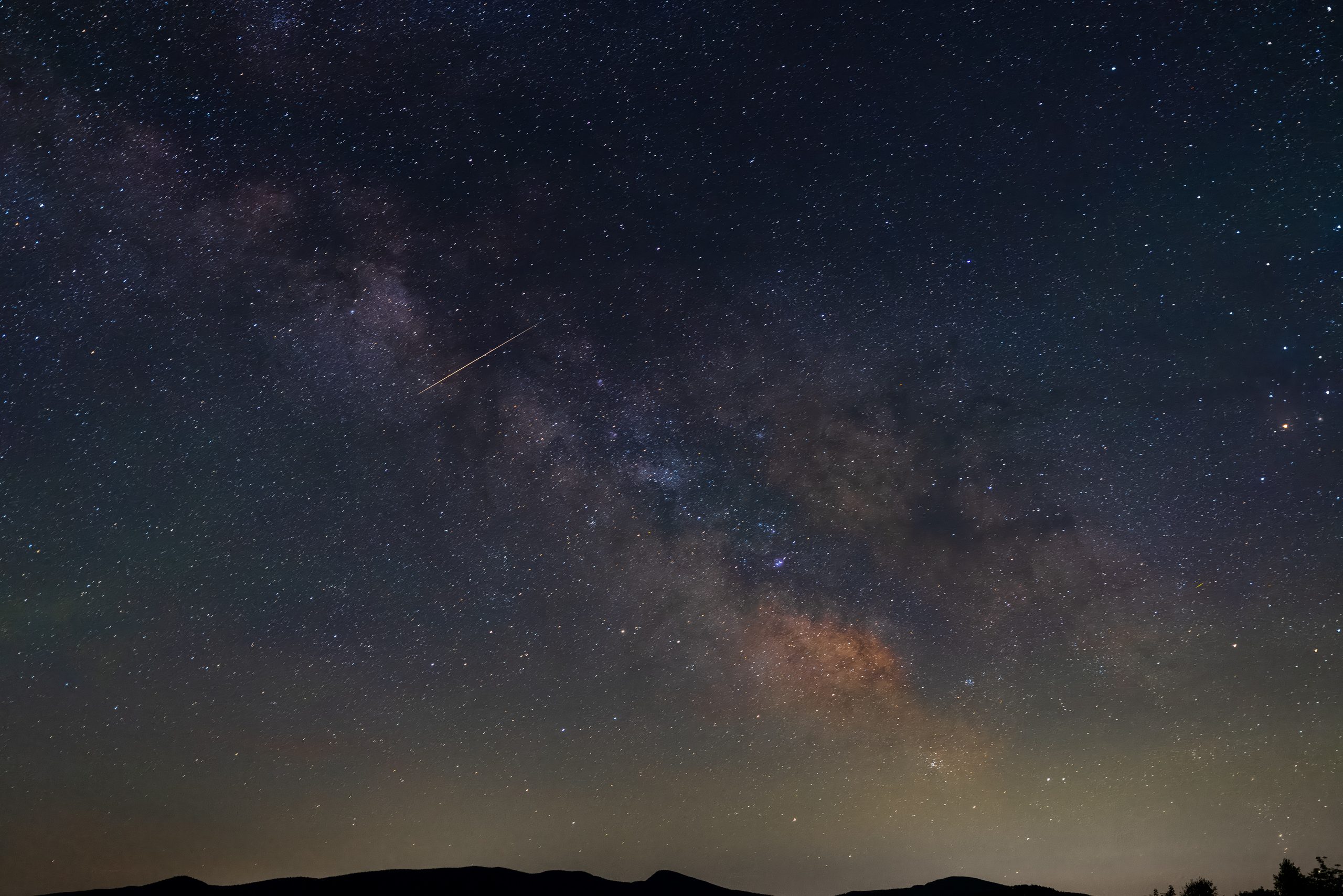
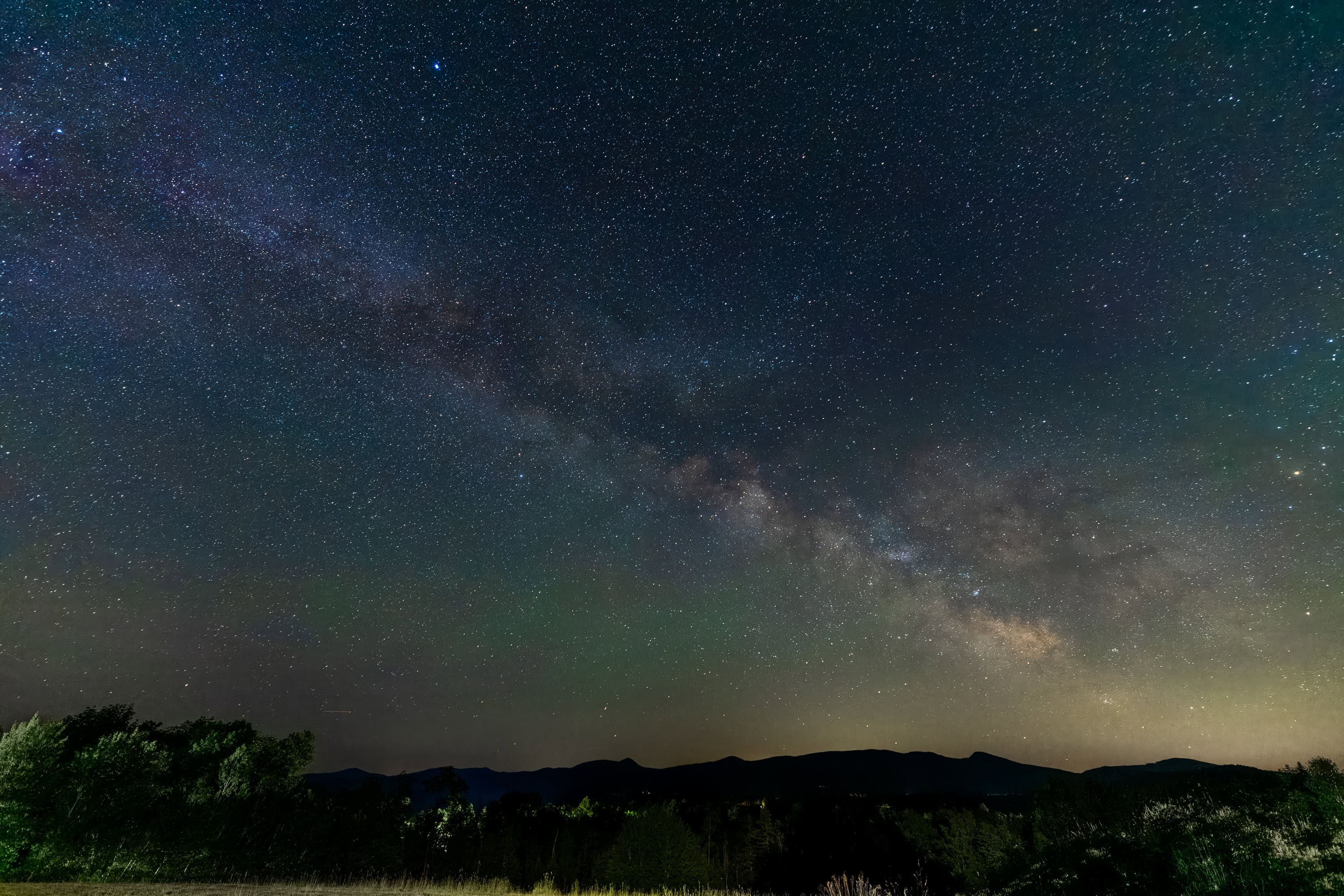
Frustrated by the light pollution down south at the end of May, I vowed to find truly dark skies and headed north on June 3rd to the overlook near Indian Lake. The early-summer black flies were out in full, vicious force, requiring a full-coverage bug suit, hood, and headlamp just to stand near the tripod. Bundled up against the swarm, I set up to shoot time-lapse sequences at 16mm and 35mm—stacks of raw frames that are still waiting to be rendered into final video. The sky overhead was pristine, but the outing was another reminder that astrophotography is a game of trial and error: a nearby street light completely overpowered the foreground, bathing the tree line and meadow in a harsh, electric green wash that clashed with the subtle glow of the rising core.
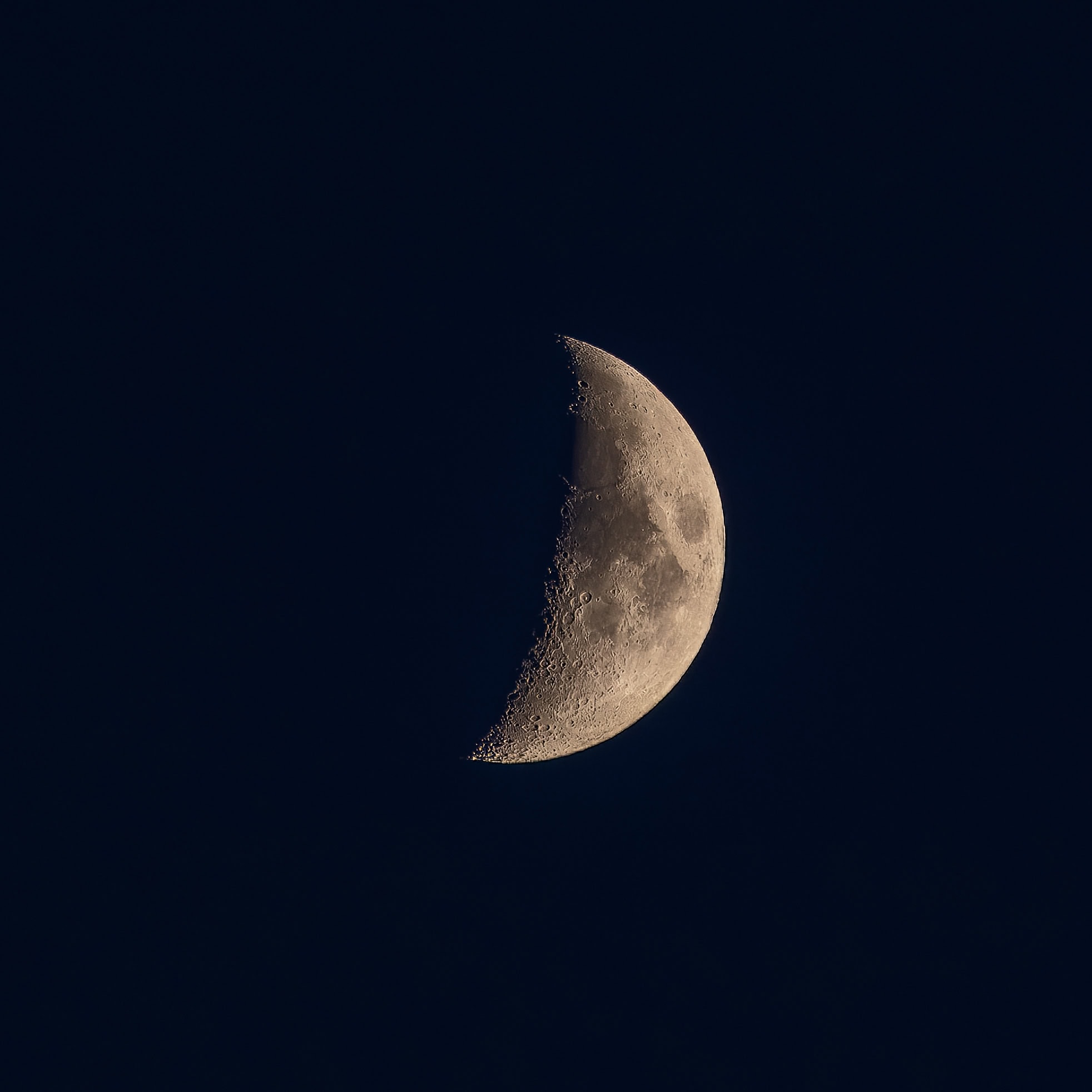
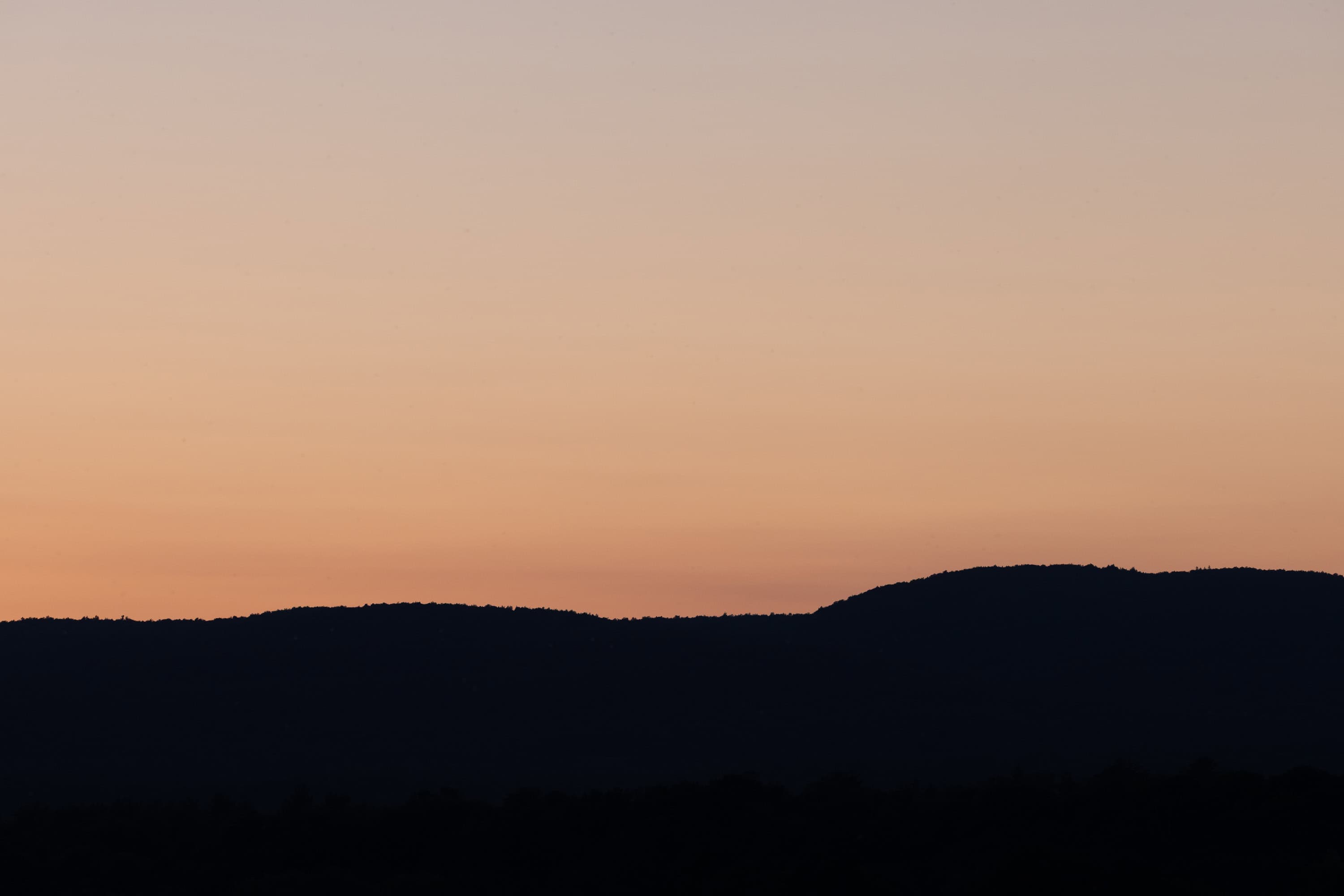
Later in the month, I returned to familiar ground at Vandenburgh Point for a calmer, dusk-timed session. While working the fading sunset light over Great Sacandaga Lake, the young crescent moon emerged against the gradient of warm twilight orange. It remains one of my absolute favorite lunar phases to photograph. When the moon is this thin, the shallow sunlight rakes across the terminator, carving out sharp, cratered surface texture with depth that gets completely flattened out during a full moon. The clean crescent suspended over the quiet evening ridges was the perfect antidote to bug-bitten mountain ridges and rogue streetlights.