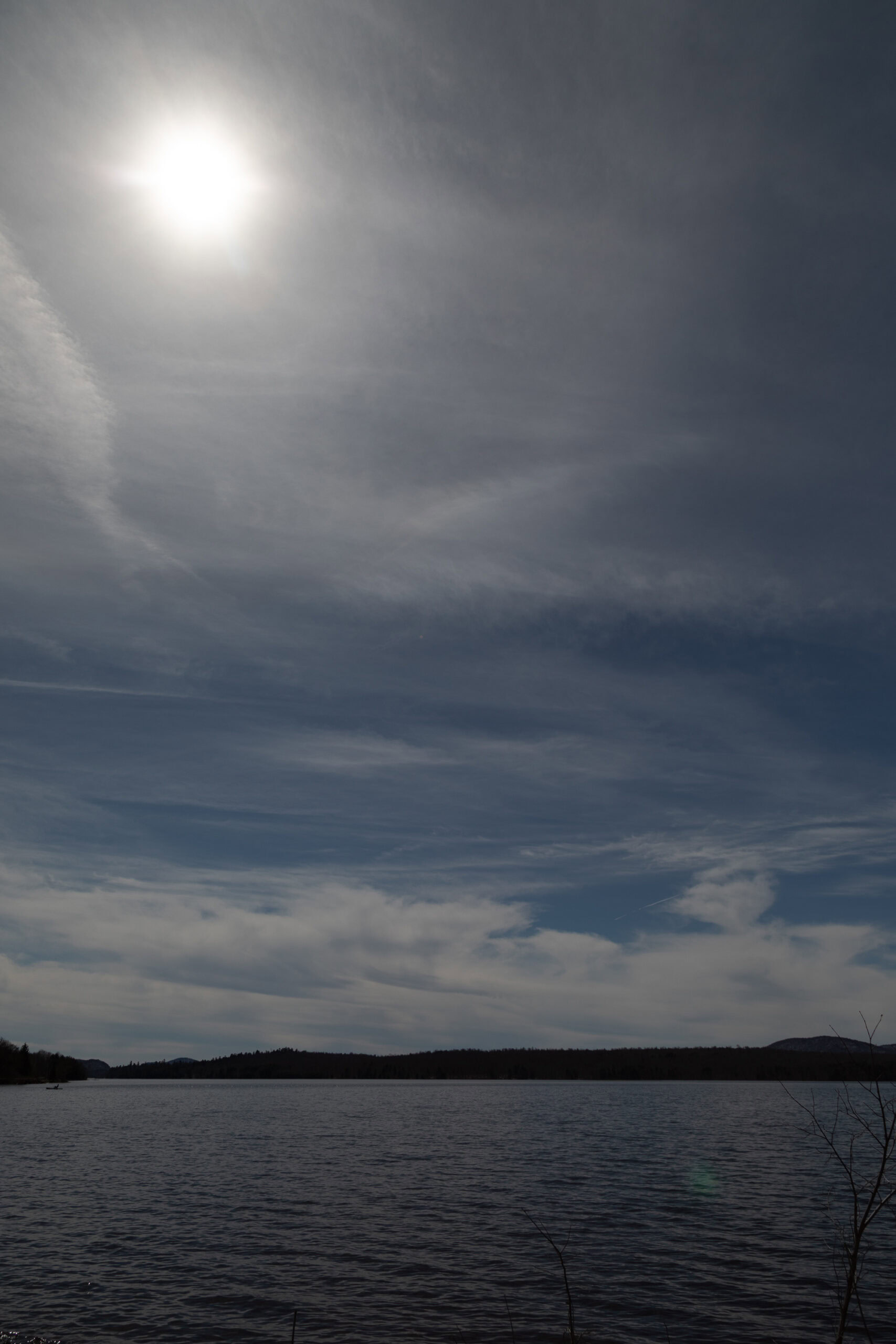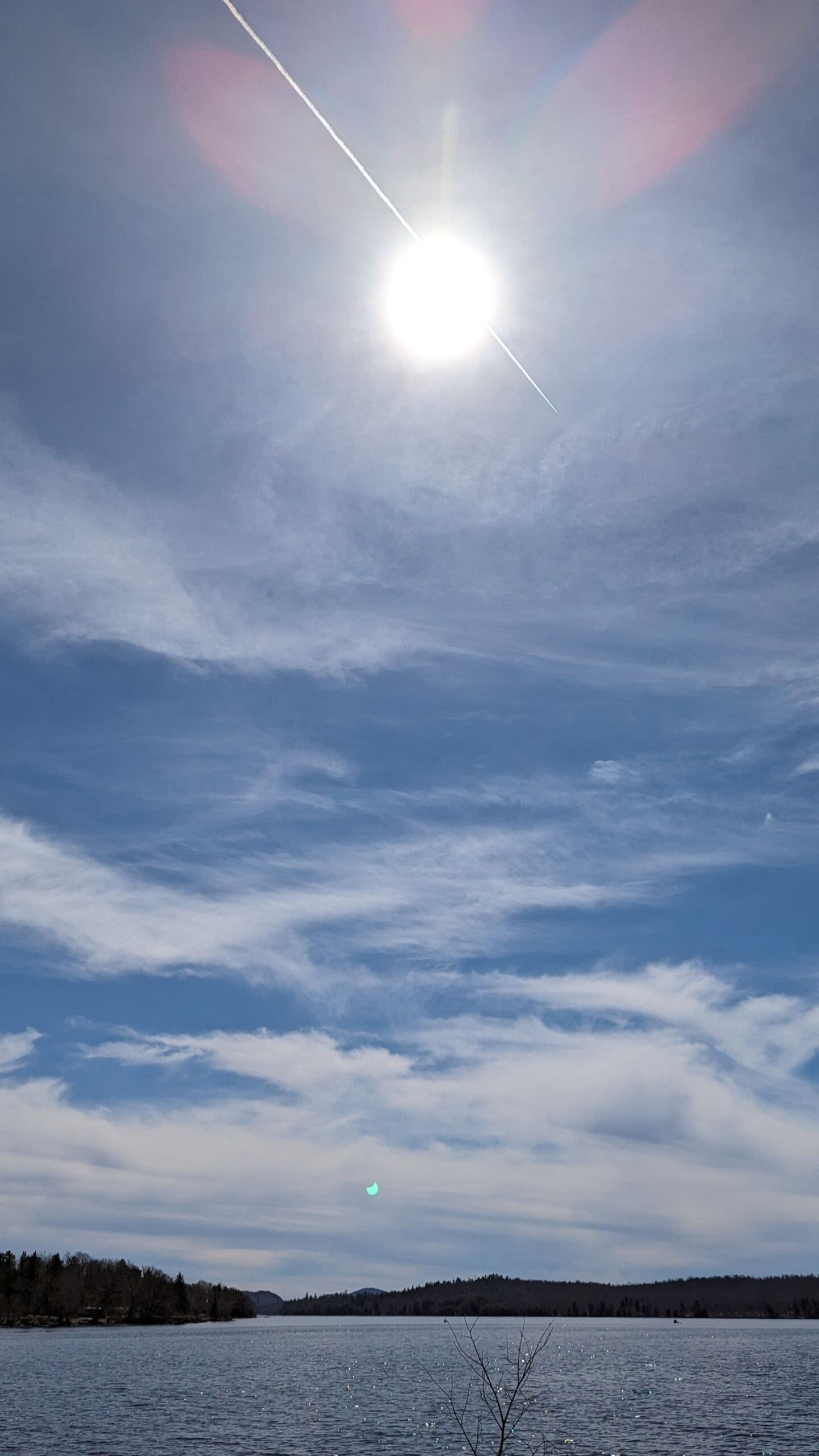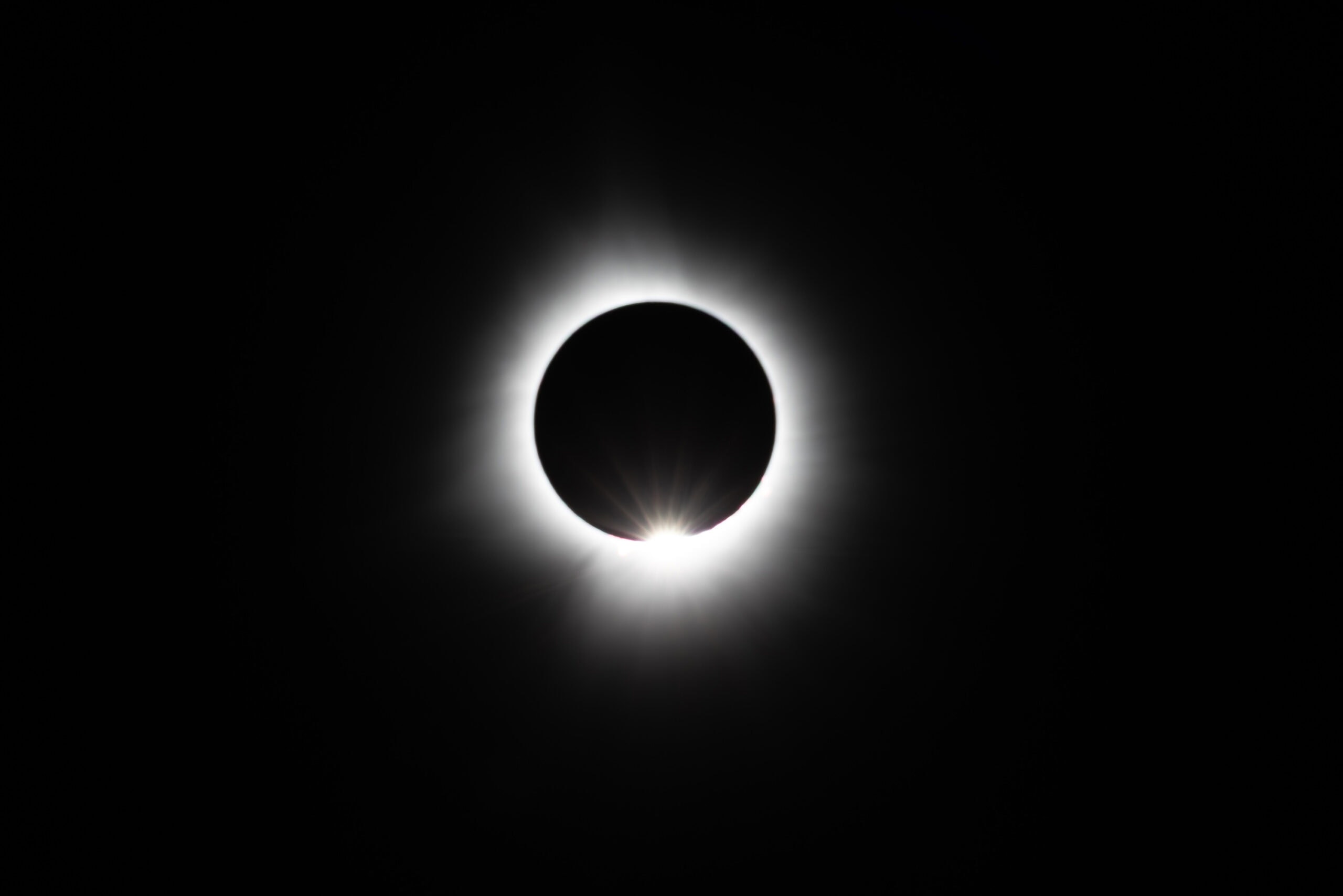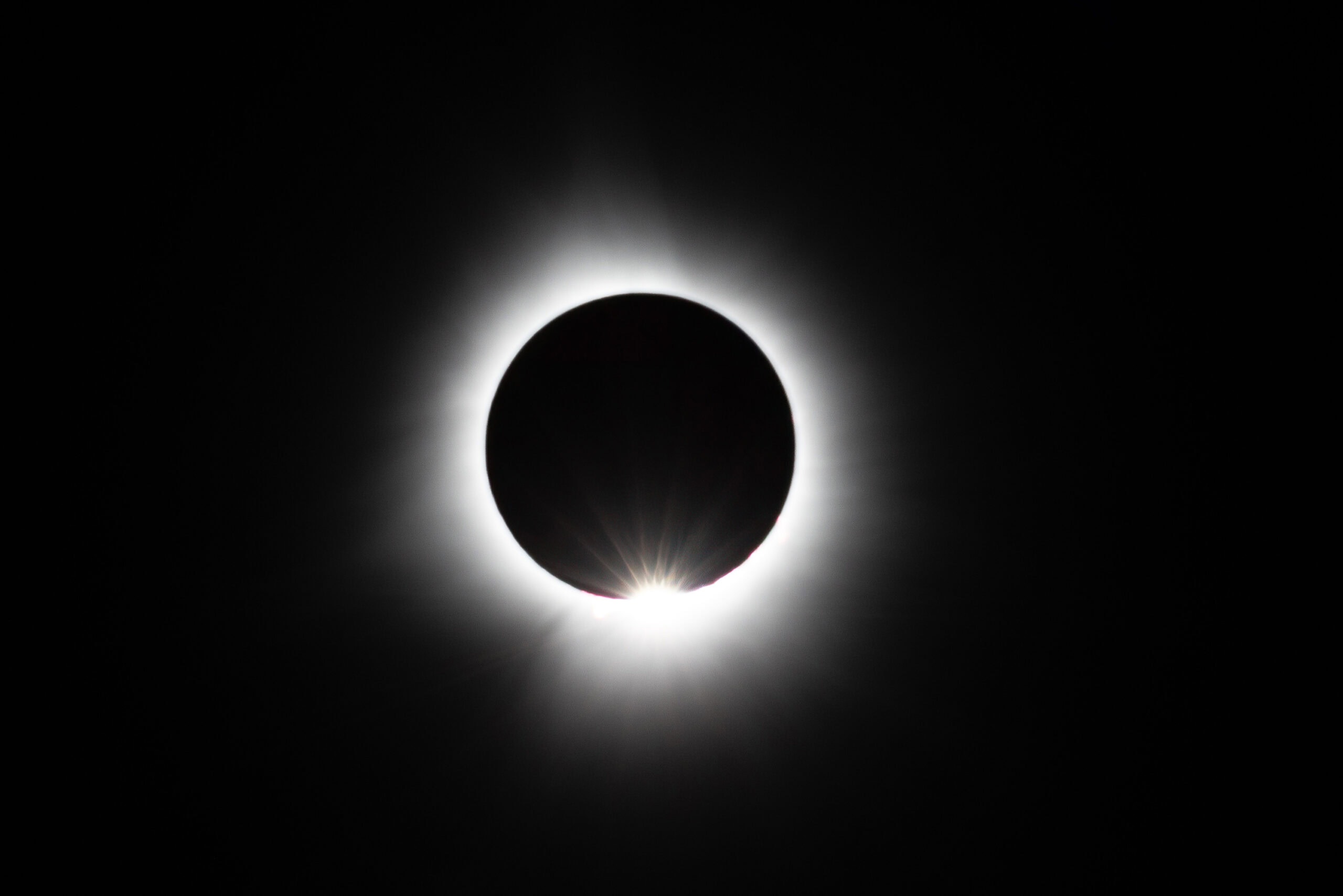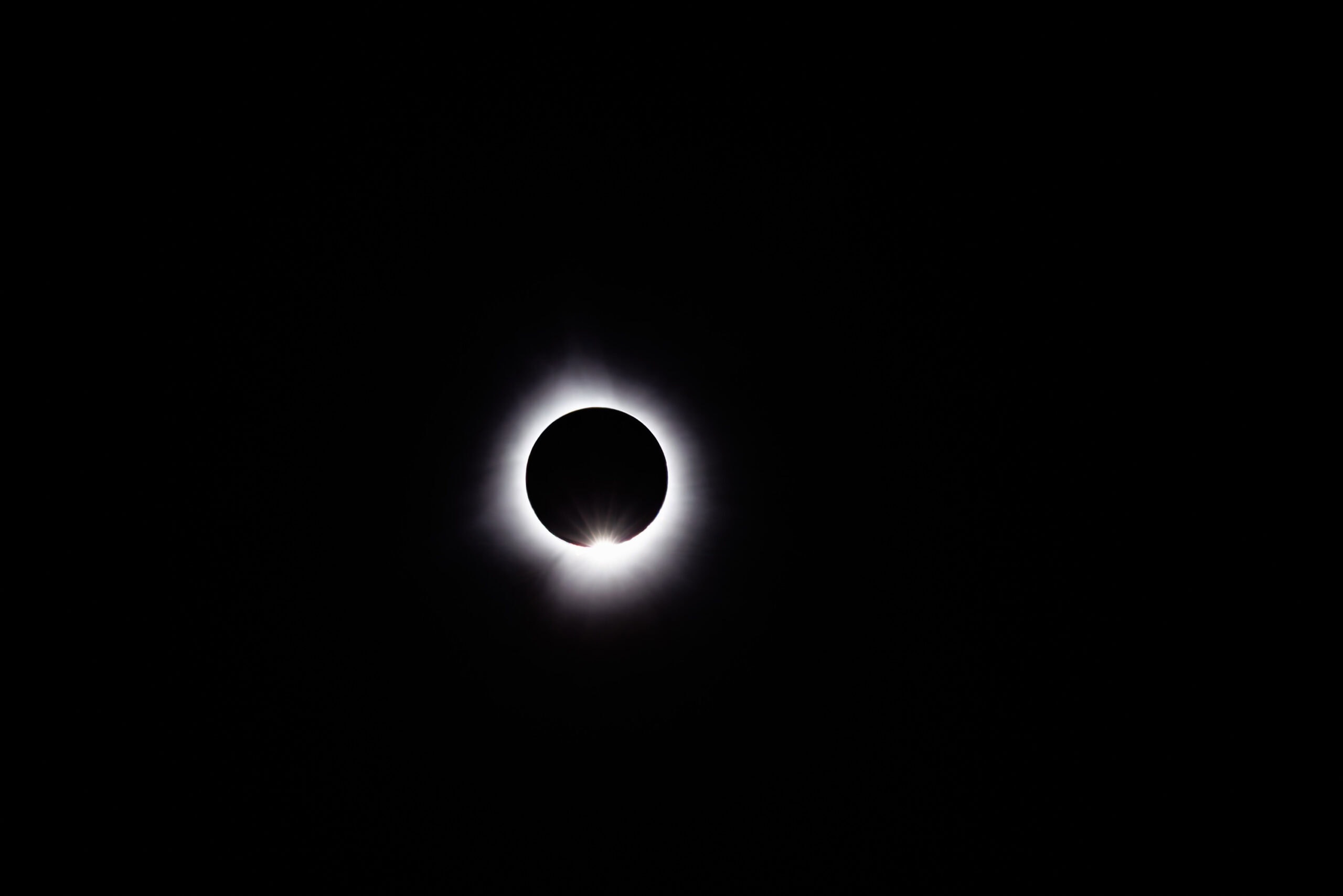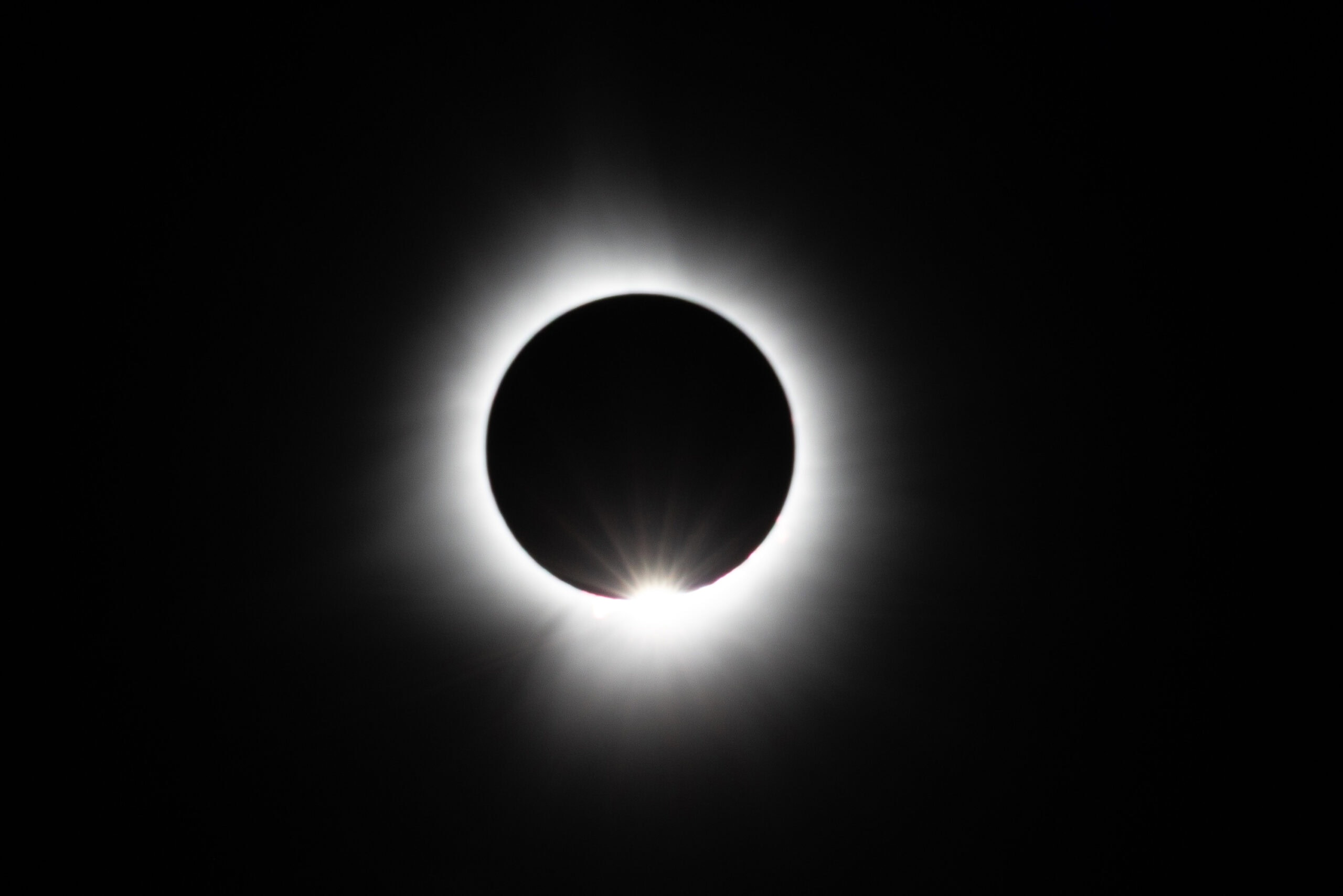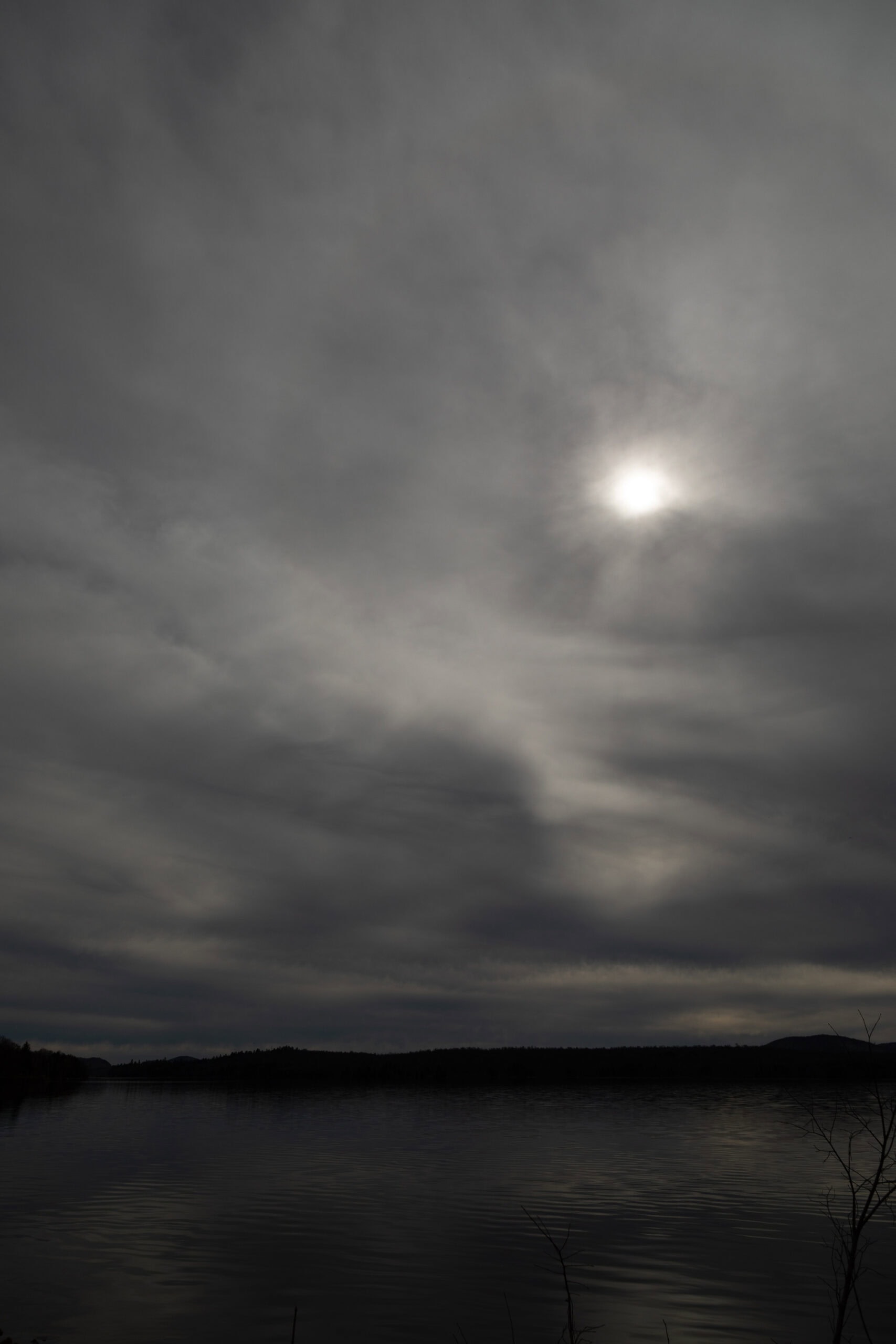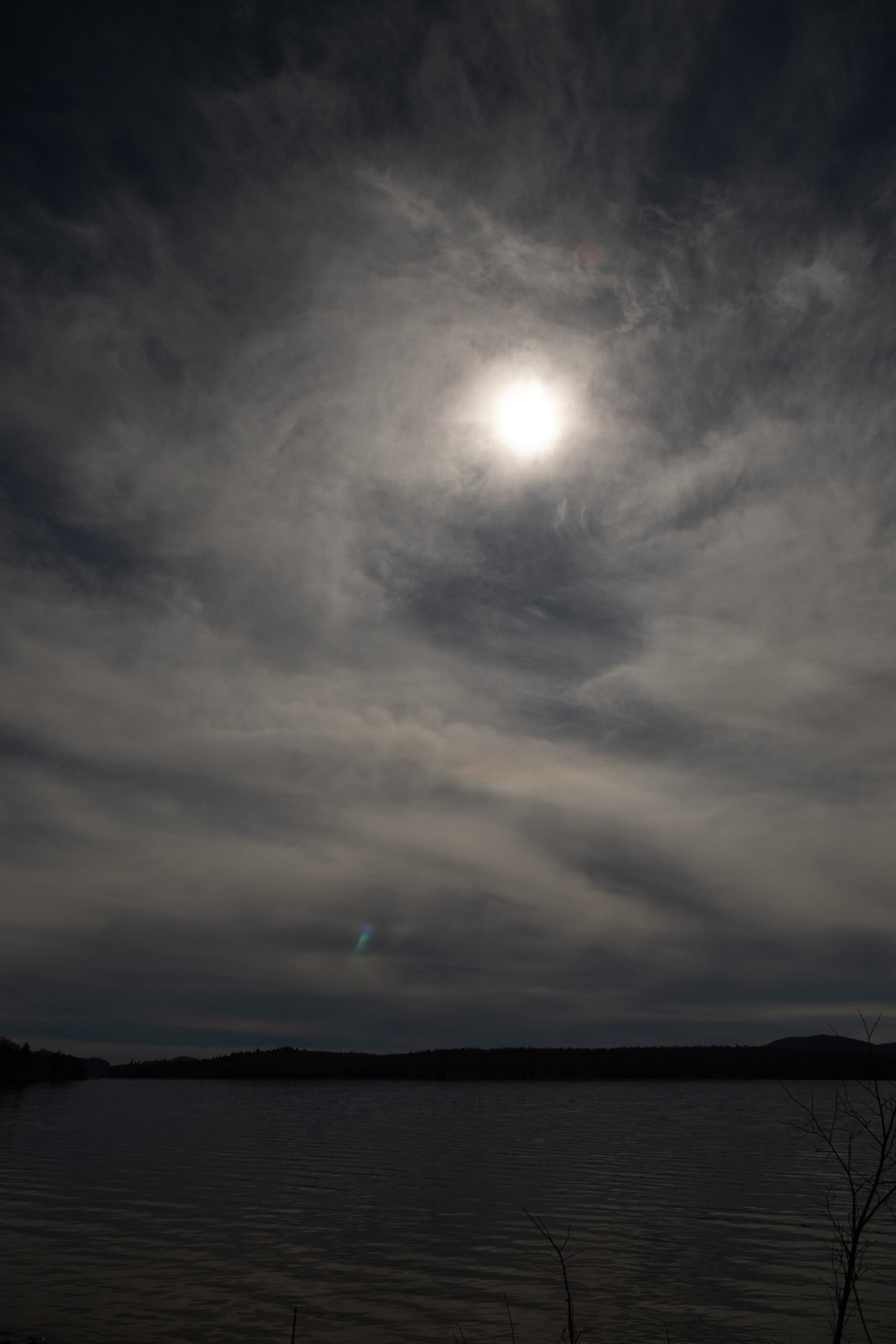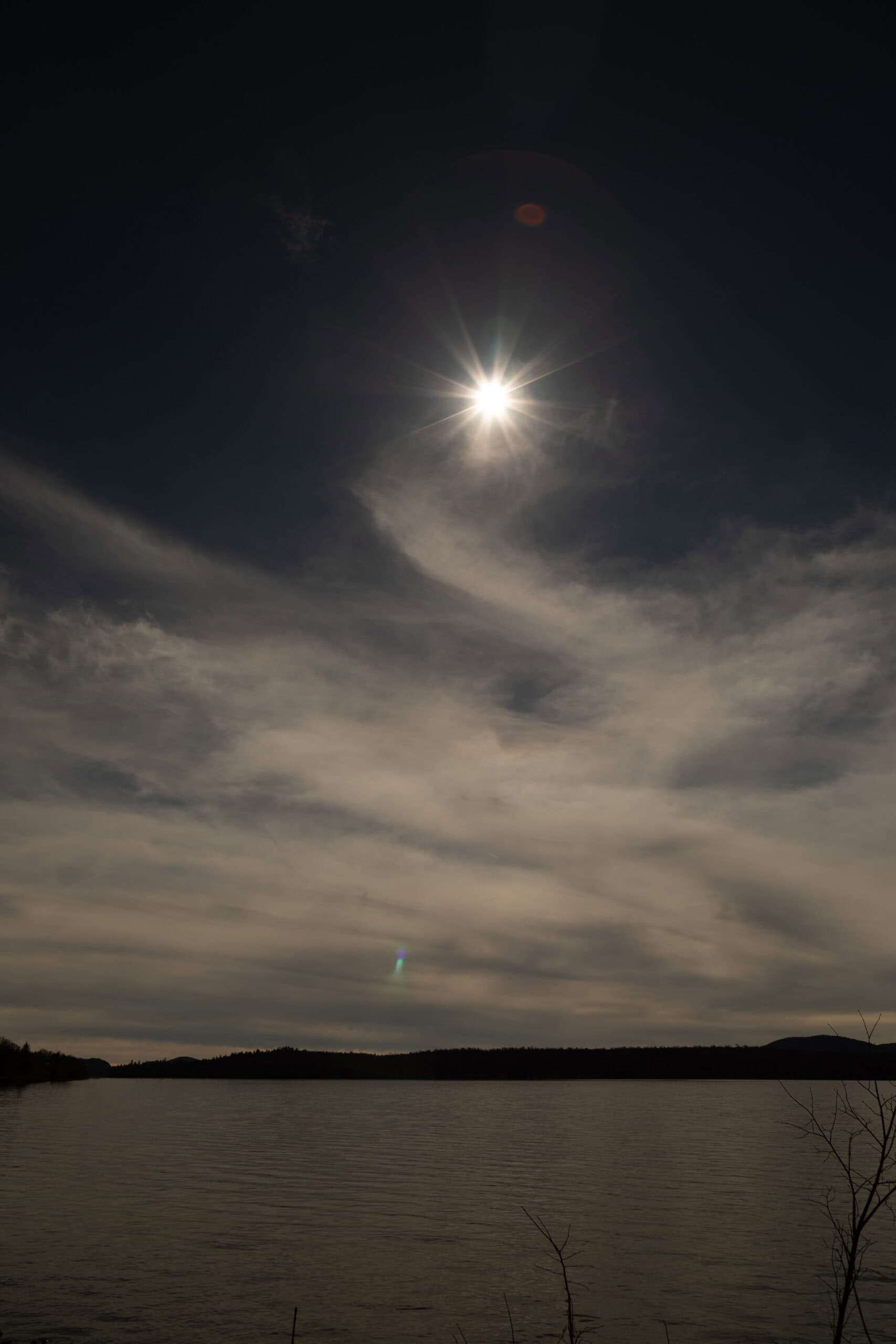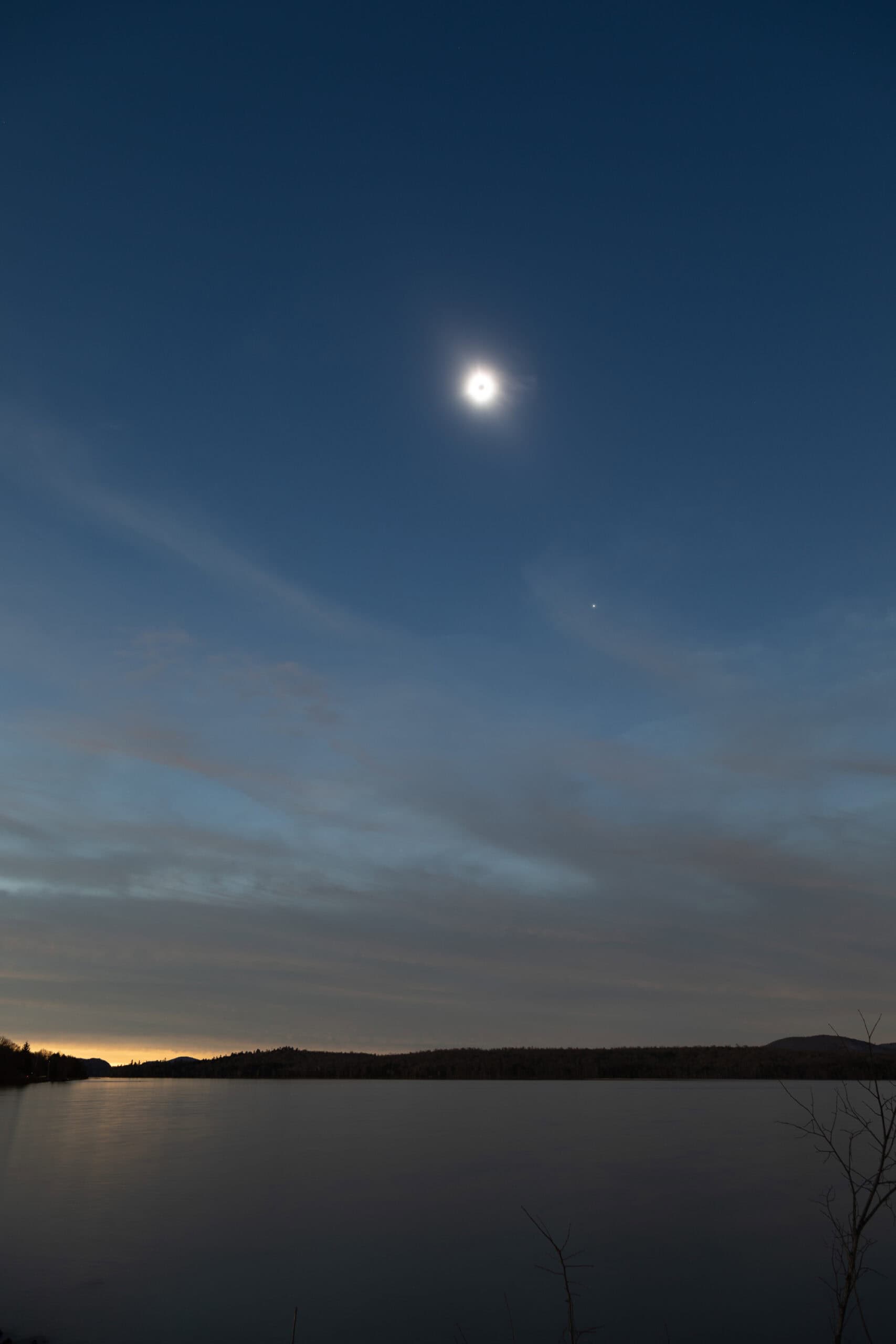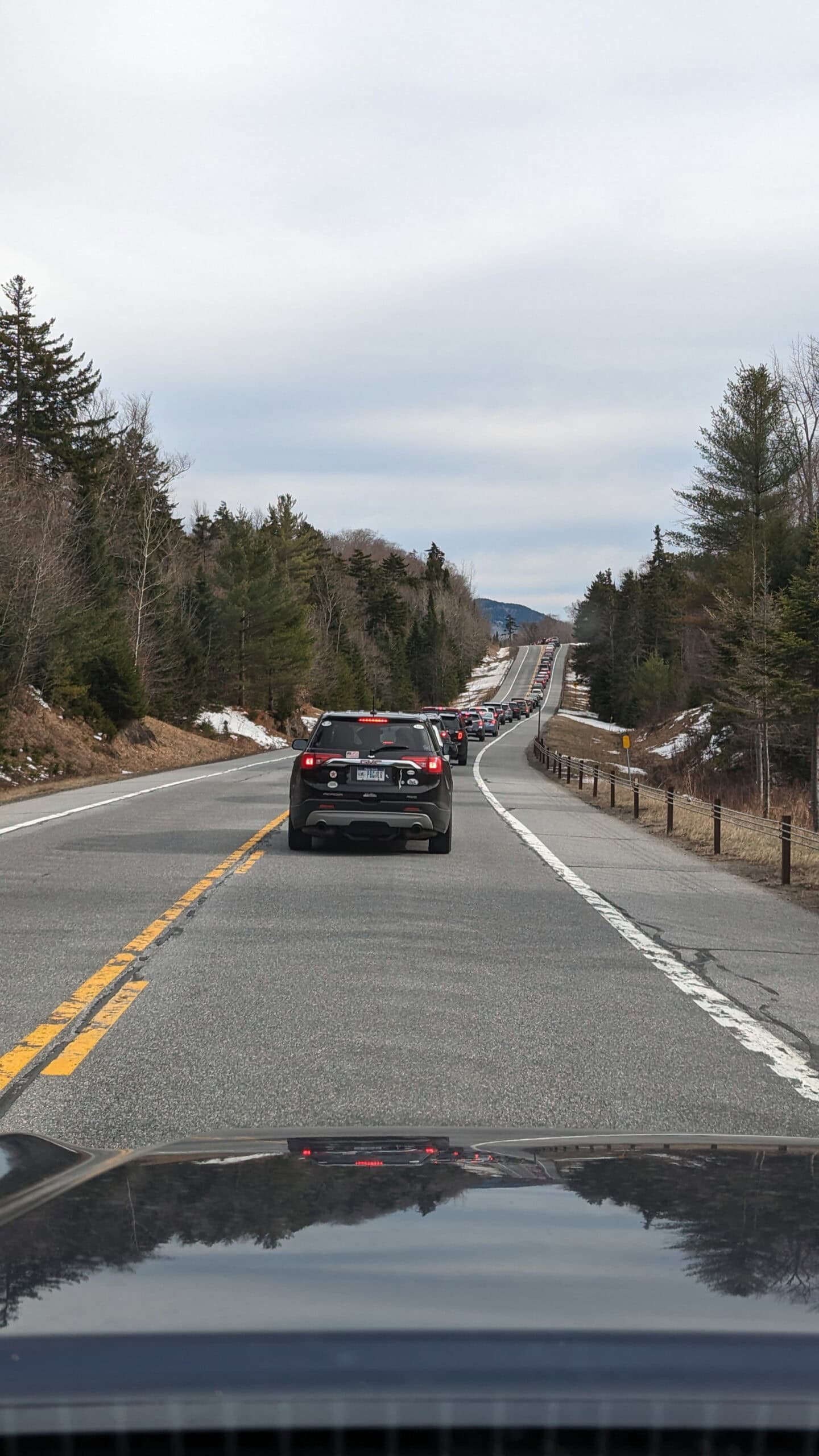
Arriving in the Adirondacks on the afternoon of April 7th, I hadn’t planned far enough ahead to book a room, so I decided to head straight to Tupper Lake and sleep in my Nissan Frontier.
Scouting around, I found Flanders Park right on the water with great parking directly along Martin Street. I claimed a prime spot within easy walking distance of local restaurants, and with a row of porta-potties already staged along Mill Street for the event, my makeshift “truck camping” plan was officially in business.
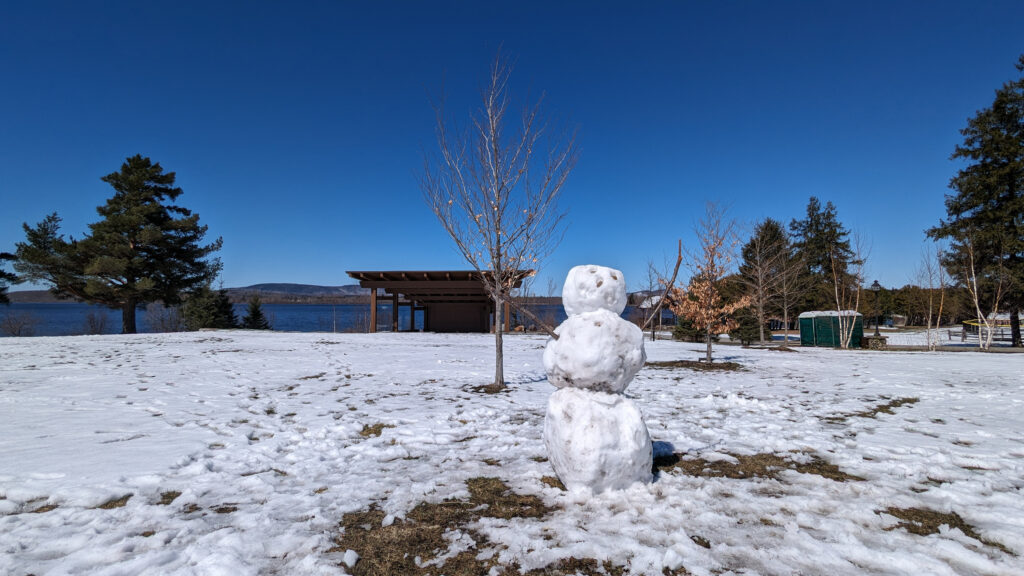
The park grounds were still snow-covered that Sunday afternoon—complete with a welcoming snowman greeting early arrivals. As dusk settled over the water, the thermometer took a dive, dipping into the upper 20s overnight. I woke Monday morning to a crust of ice lining the interior windows of the truck cab. At 5’10”, I definitely wouldn’t recommend trying to sleep across the back seat of a Frontier. It made for a rough, cramped night—but having a front-row seat on the shoreline made every minute worth it.

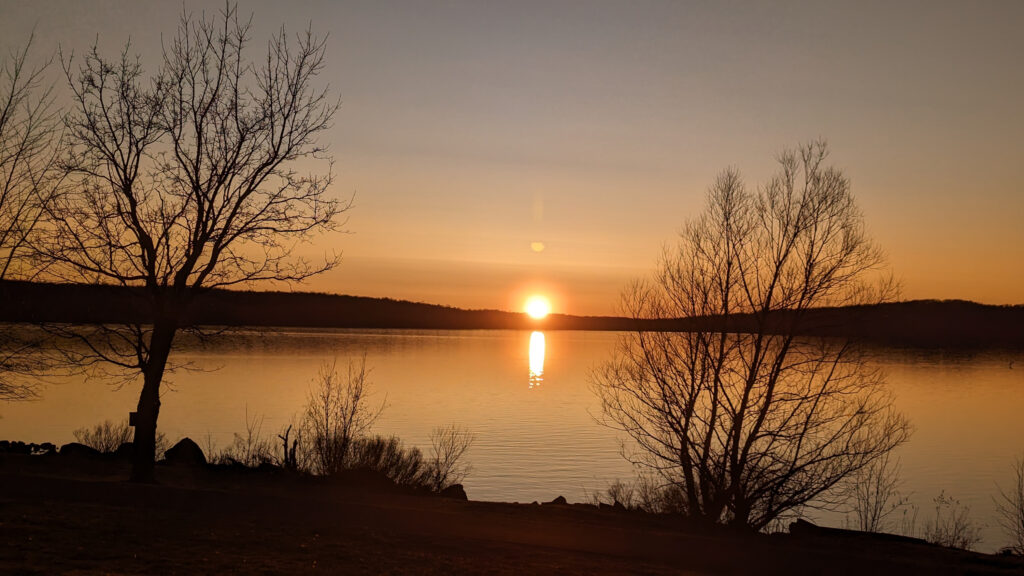
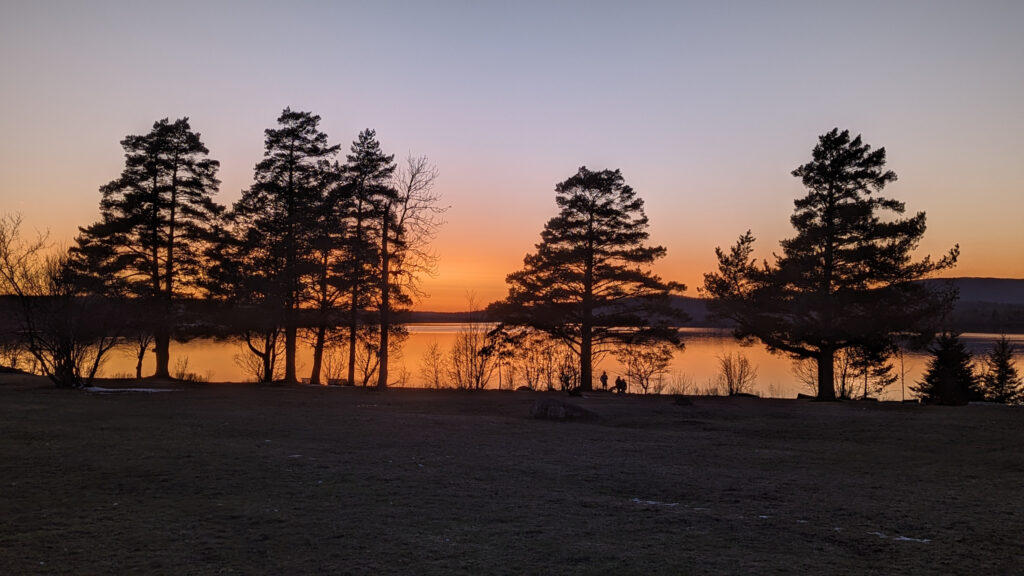
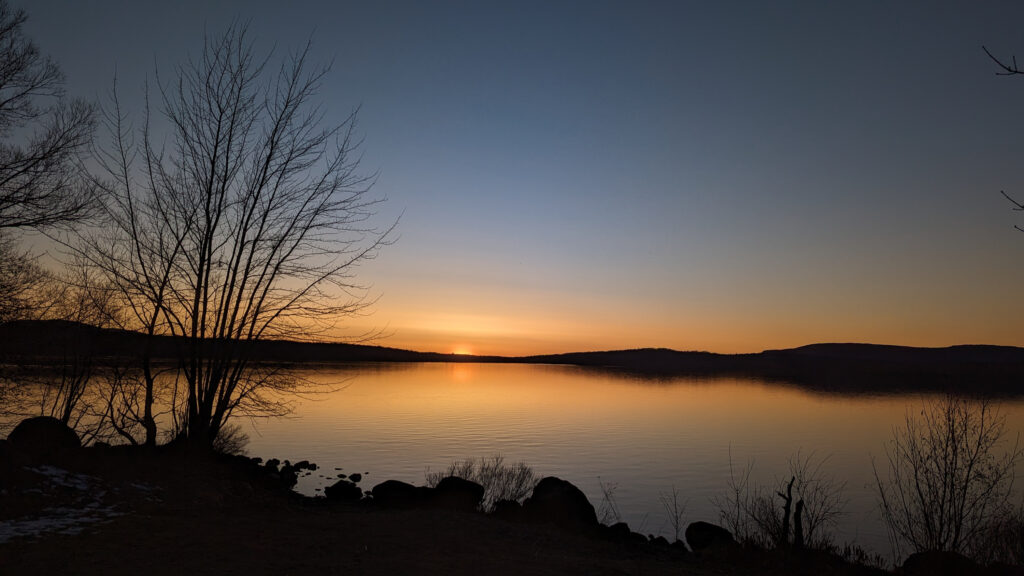

I awoke stiff, cramped, and feeling the chill in my bones. Doubling up on two sleeping bags had kept the freezing temperatures at bay physically, but spending the night contorted in such tight quarters left me mentally cold. The morning broke crisp, though high, thin clouds covered much of the sky. After pulling on fresh, warm layers, I walked into town to grab a hot breakfast at McDonald’s, shaking off the long night.
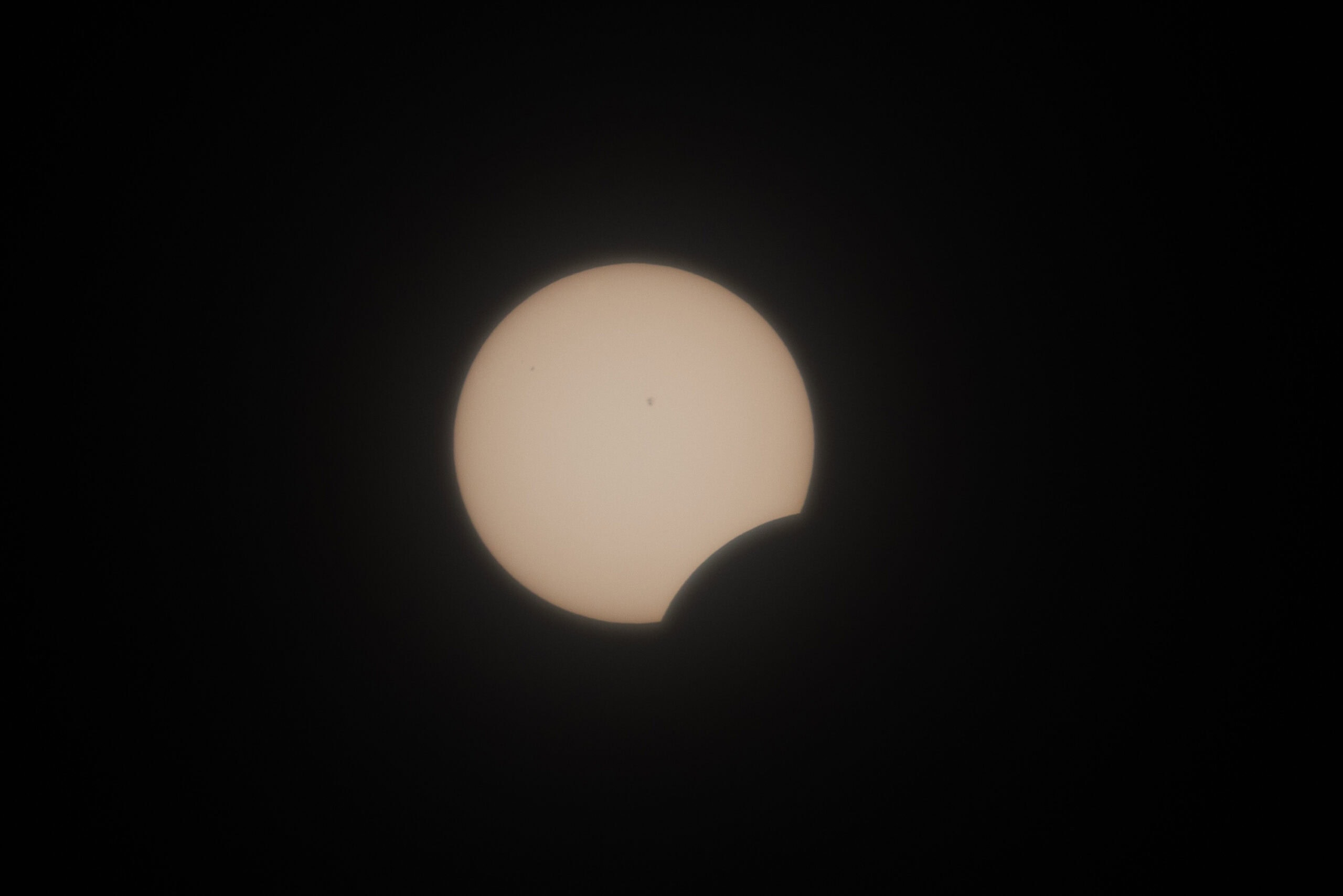
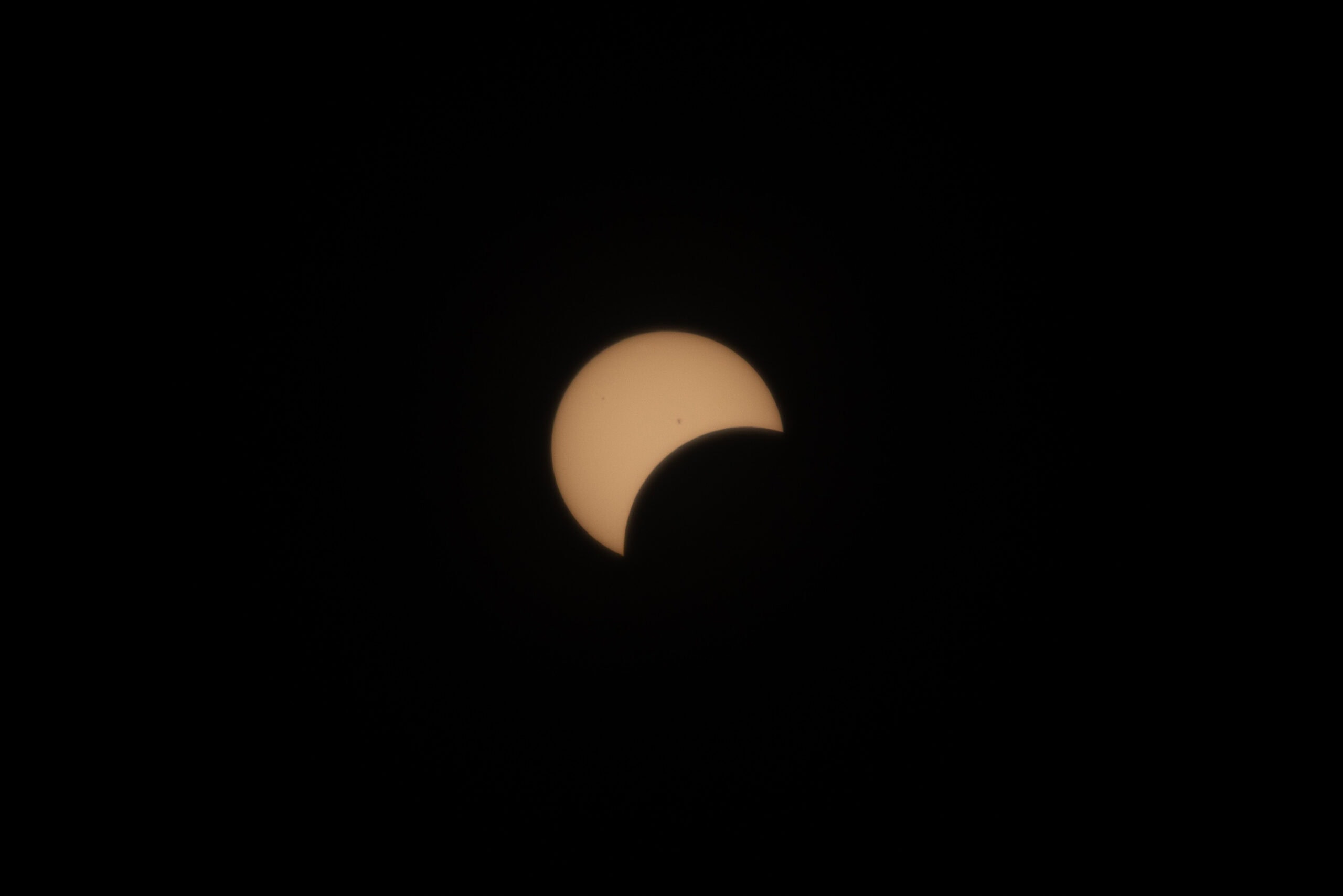
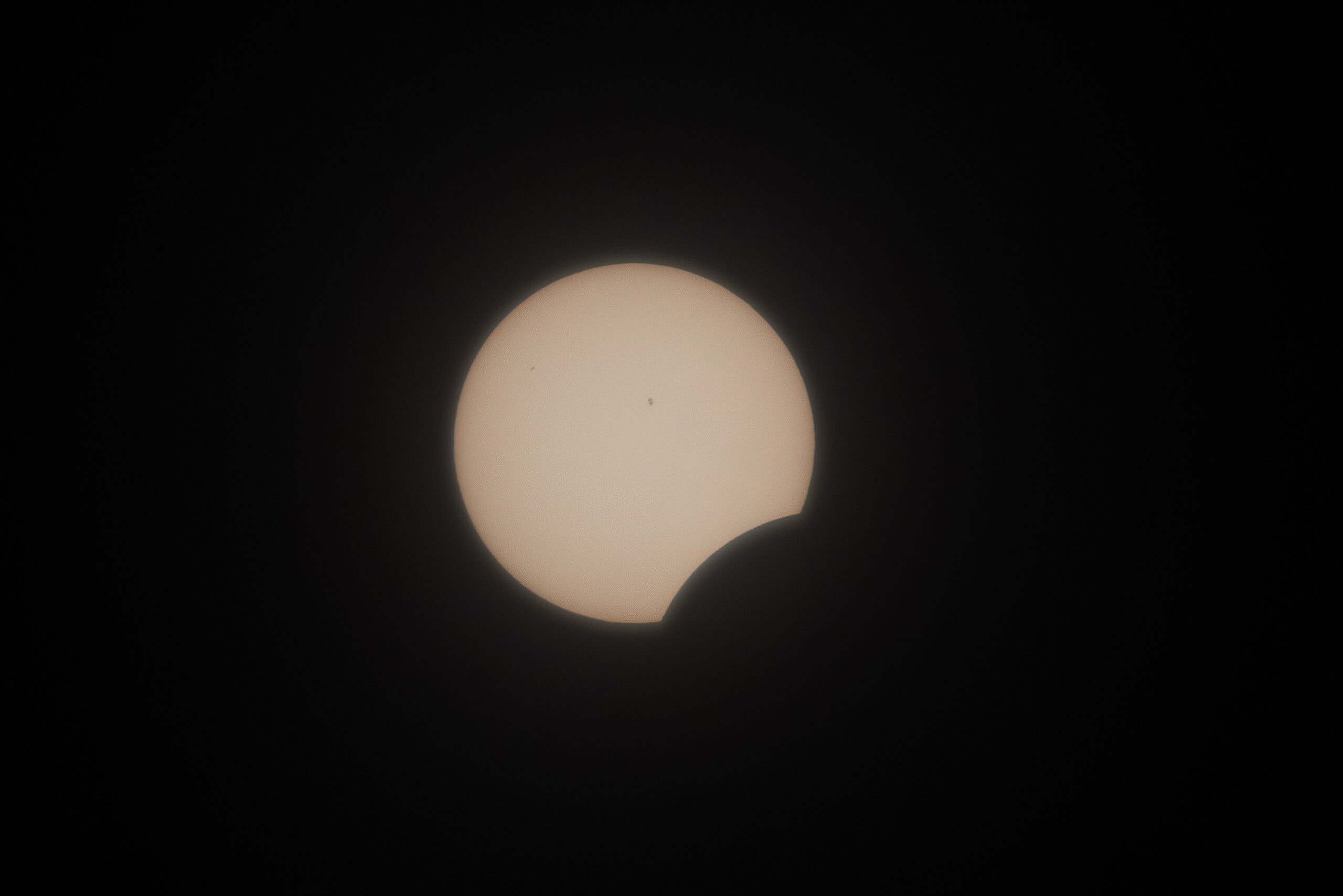
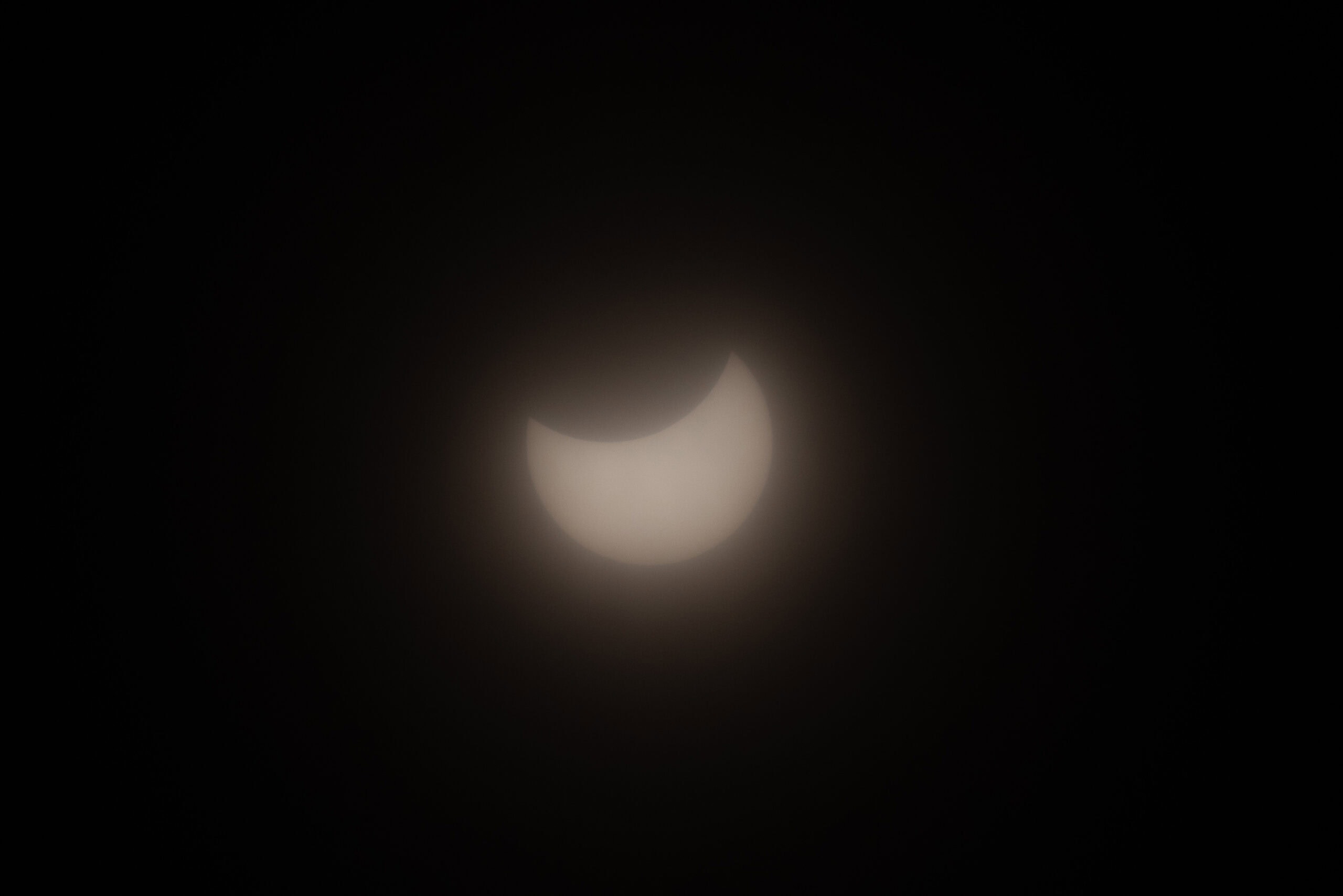
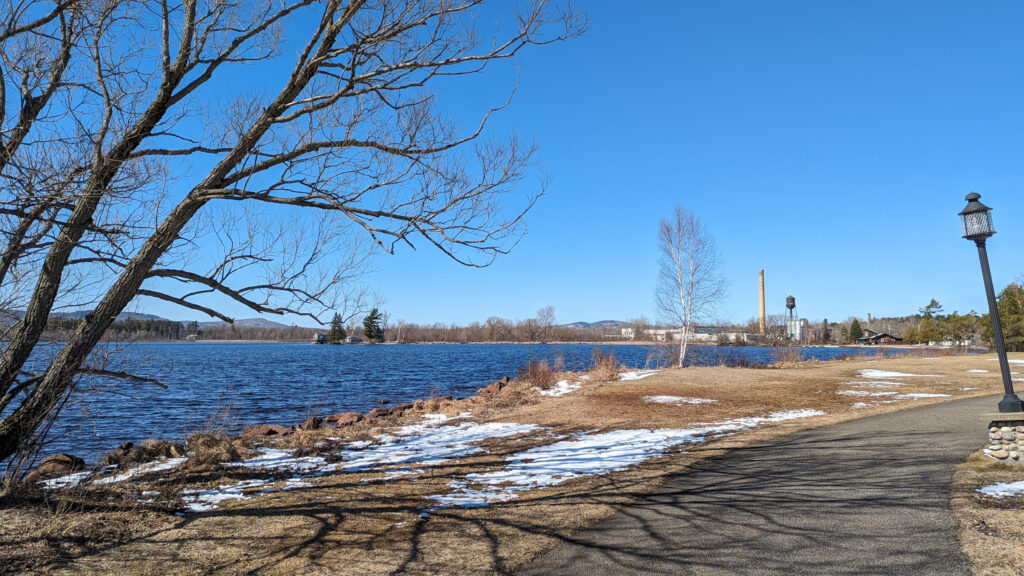
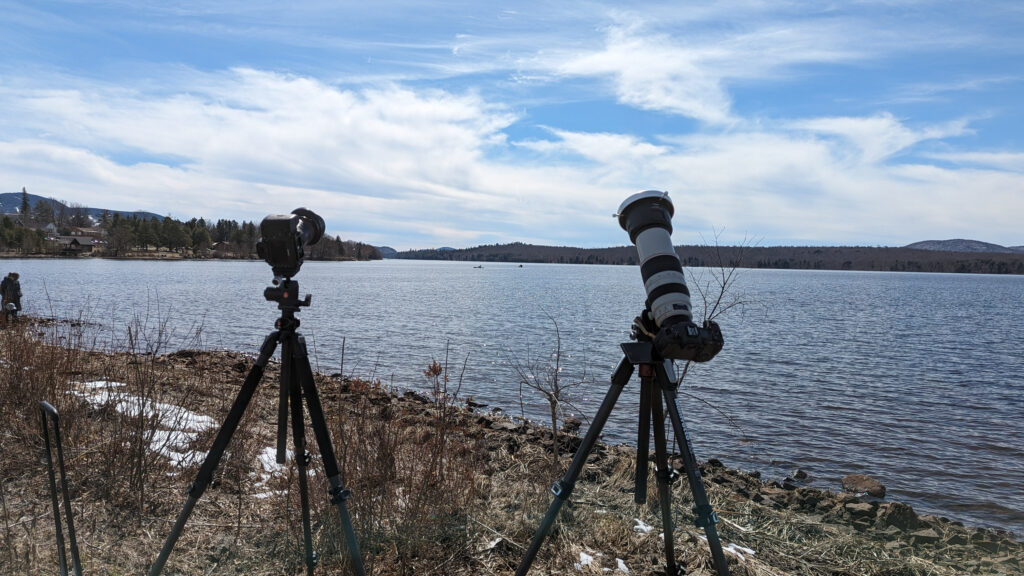
Returning to the shoreline at Tupper Lake Waterfront Park, I scouted out my shooting angle and settled in. To capture the full scope of the event, I ran a two-camera setup: one mounted with a wide-angle lens programmed to interval-shoot a frame every single minute to record the shifting landscape and ambient light, while the second body carried my 100-400mm lens fitted with a solar filter for detailed closeups of the solar disk.
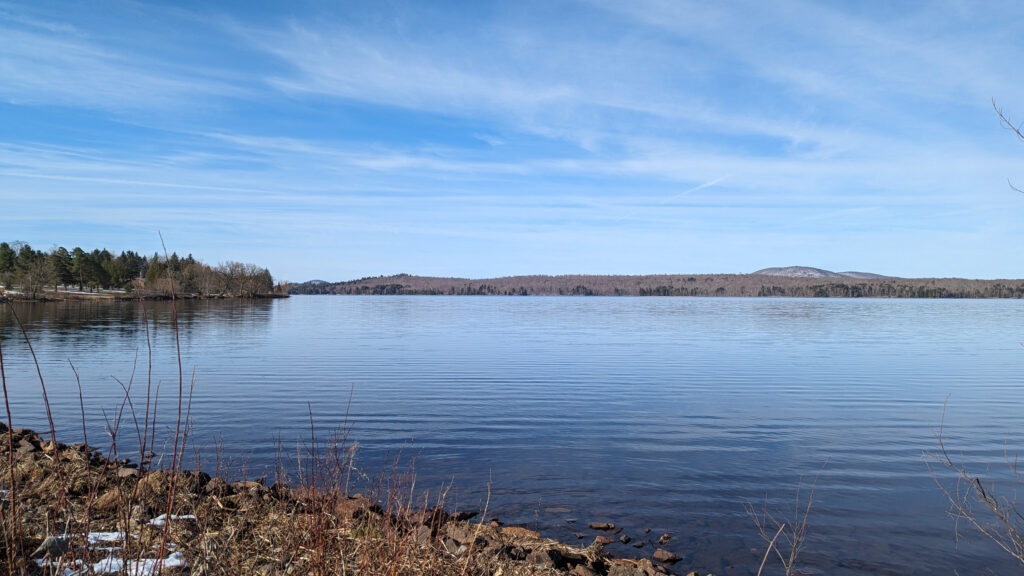
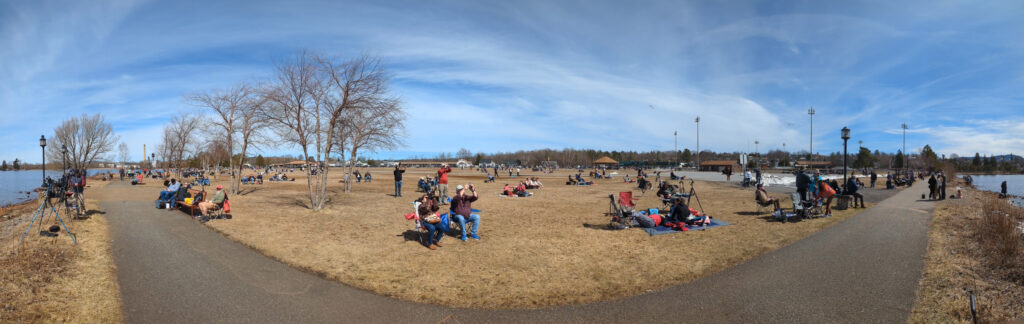
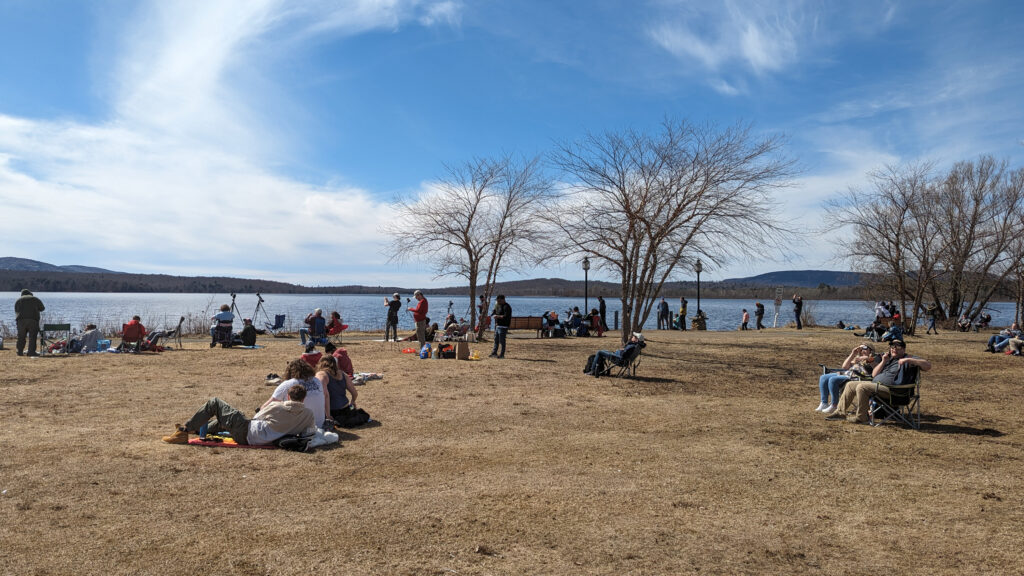
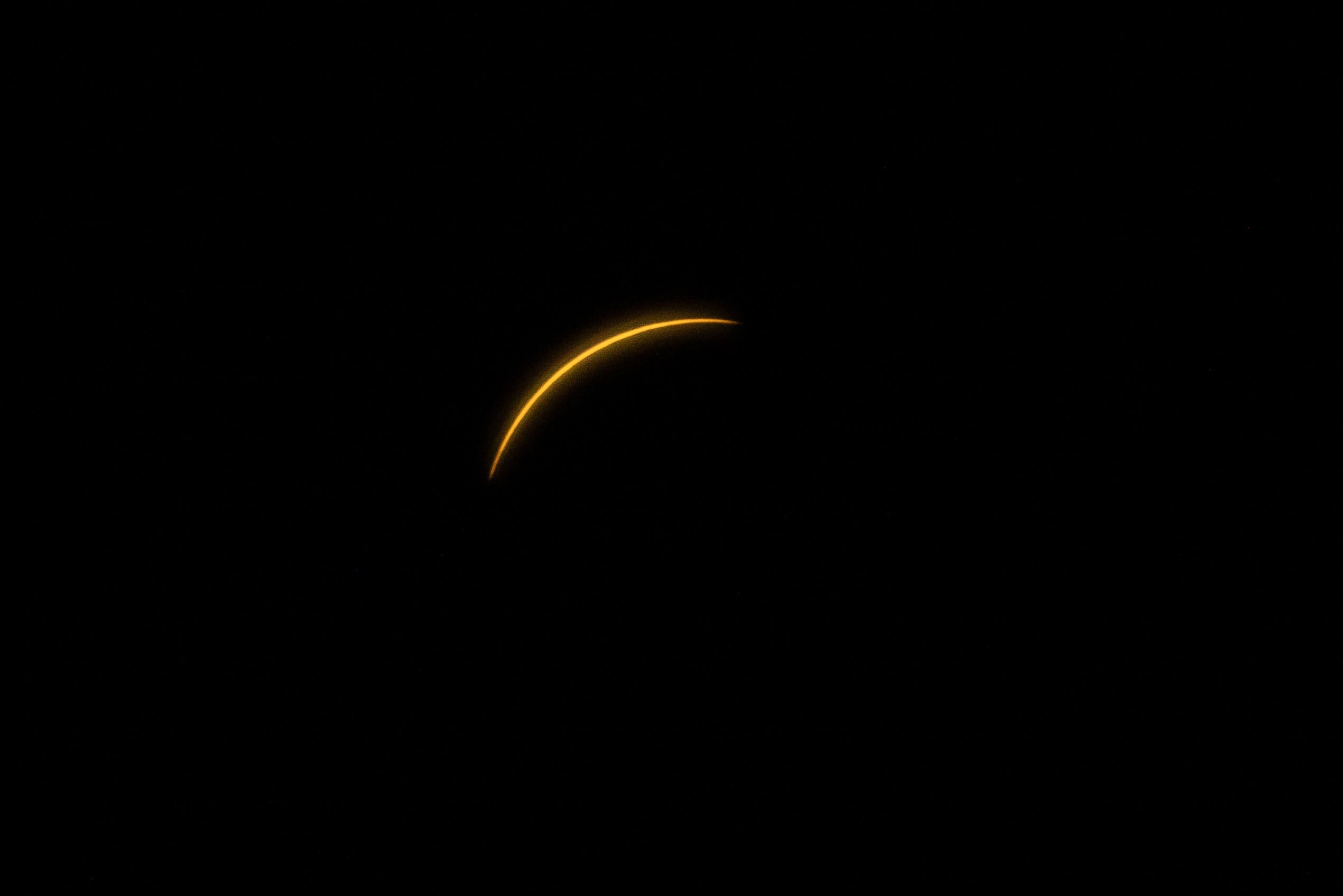
The cloud cover had been the lingering question mark, but fortune was on our side—the thin veils gradually diminished right on cue as the initial eclipse phase got underway. I watched and waited as the shoreline filled, the electric energy building until a massive crowd lined the water. Soon enough, it was showtime, and the unseen moon began its silent march across the face of the sun.
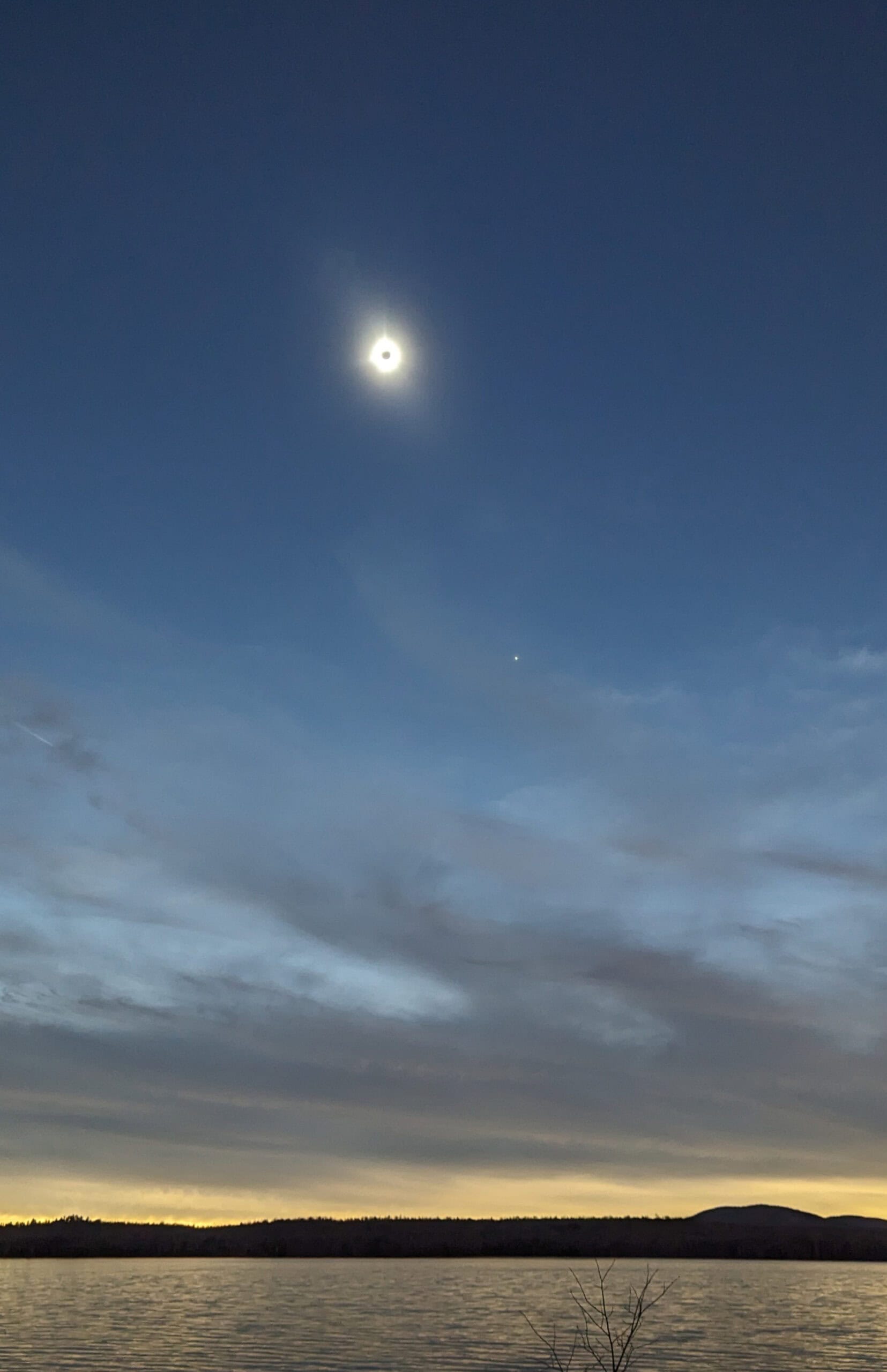
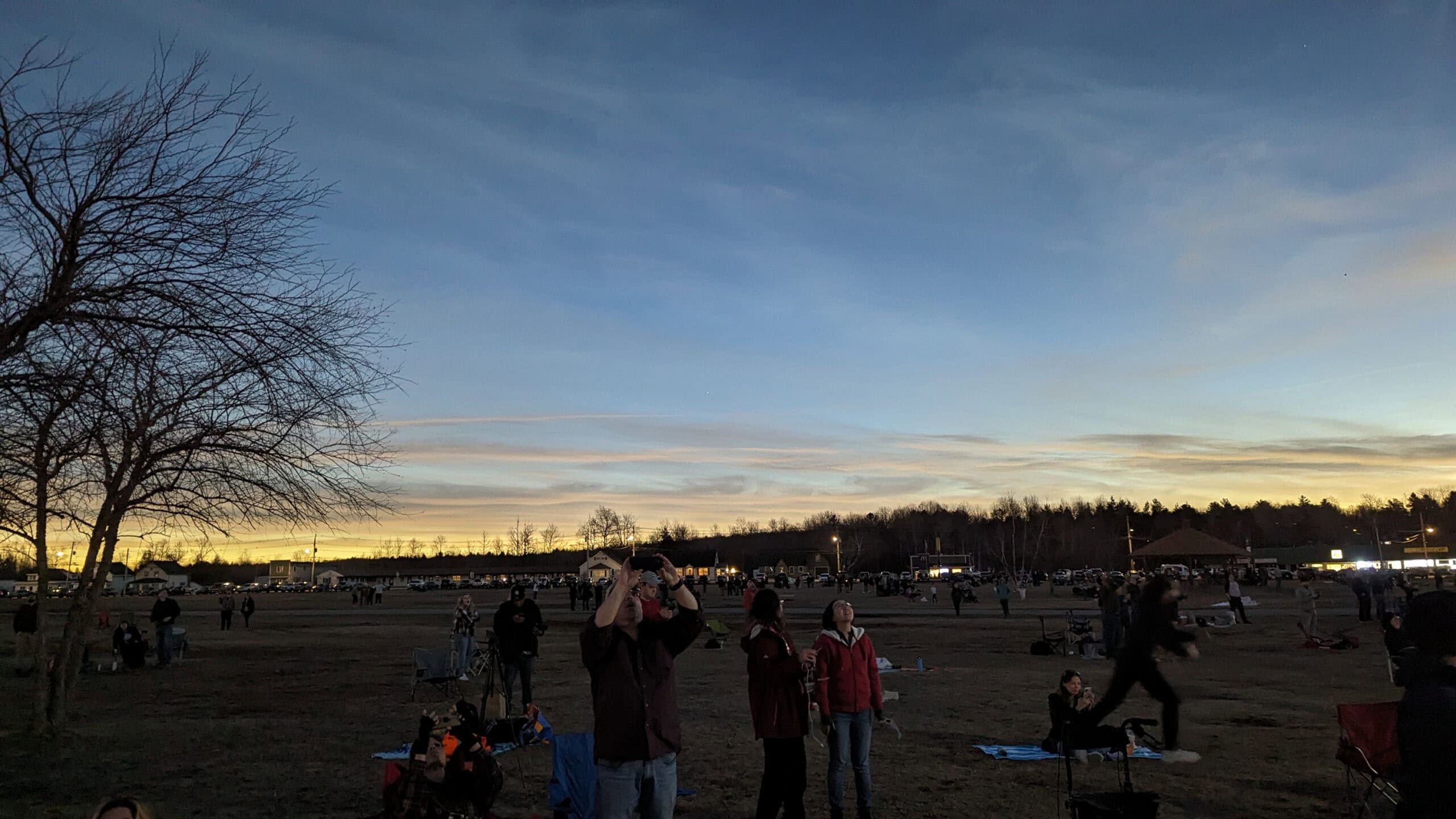
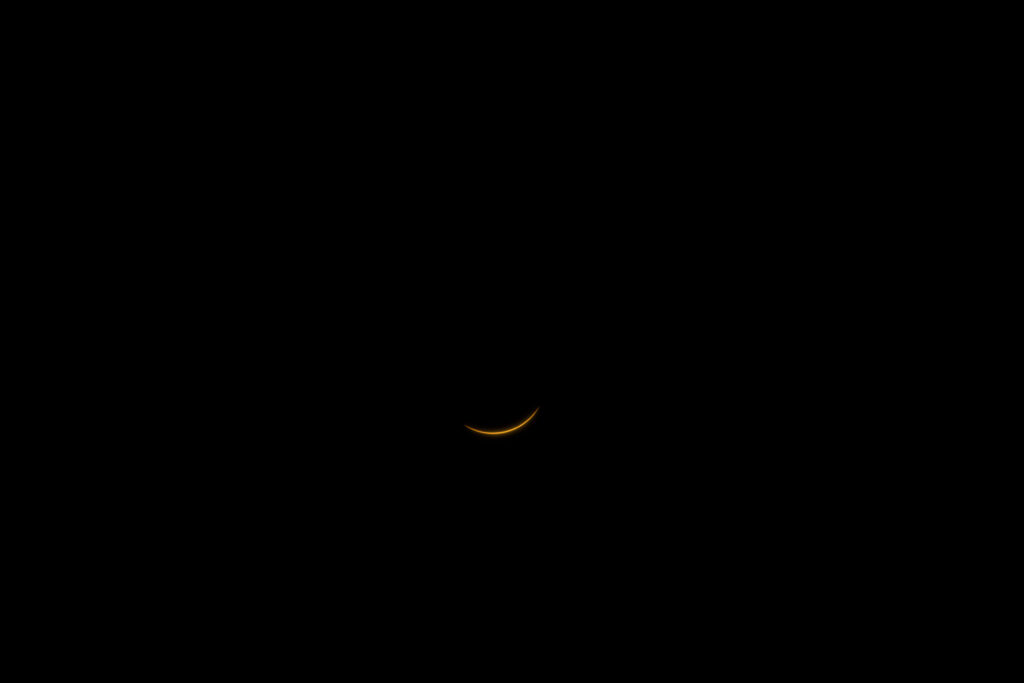
As the final sliver of sunlight vanished, the ambient light collapsed with startling speed. The air chilled instantly, shadows sharpened into uncanny relief, and midday abruptly gave way to a deep, surreal twilight.
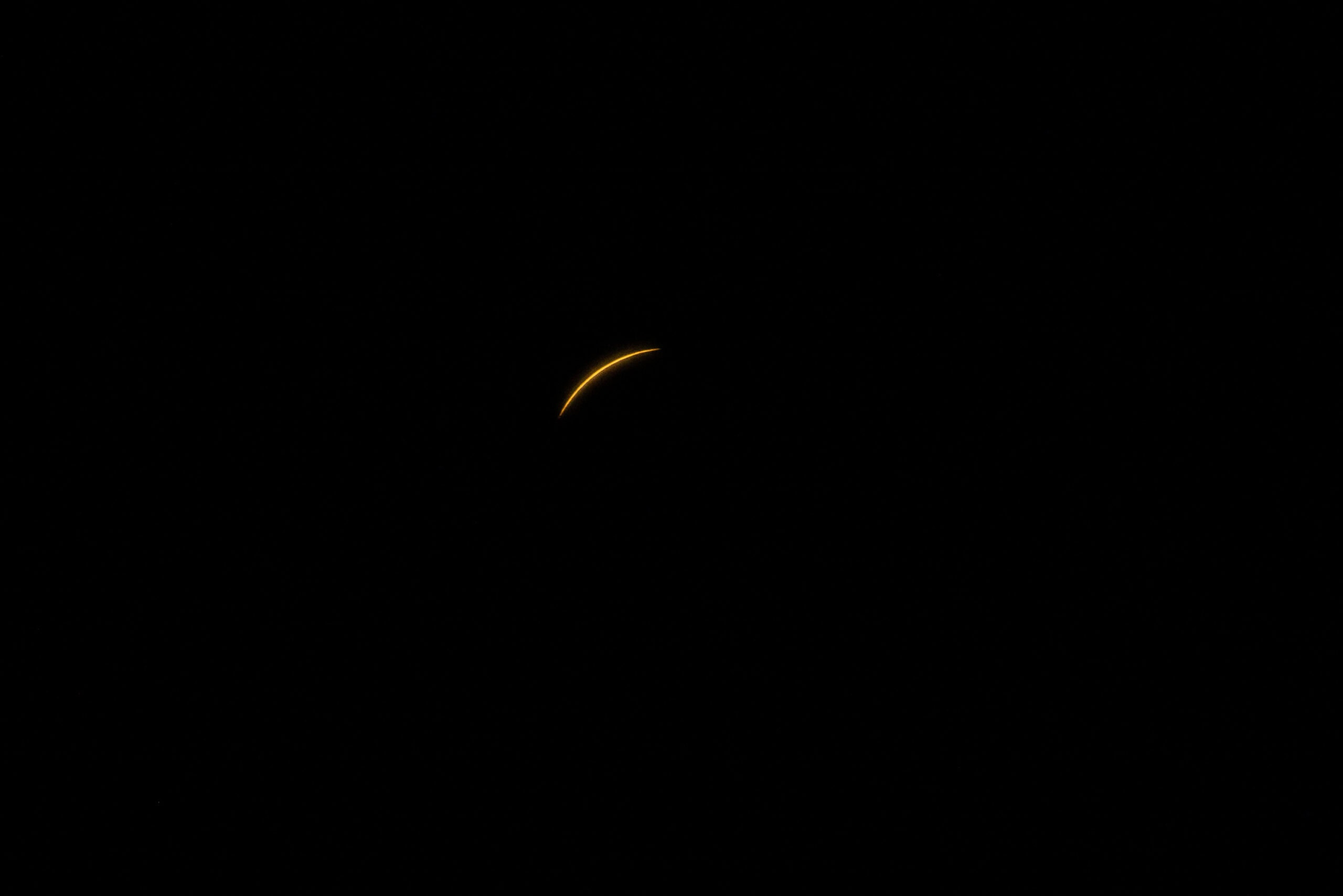
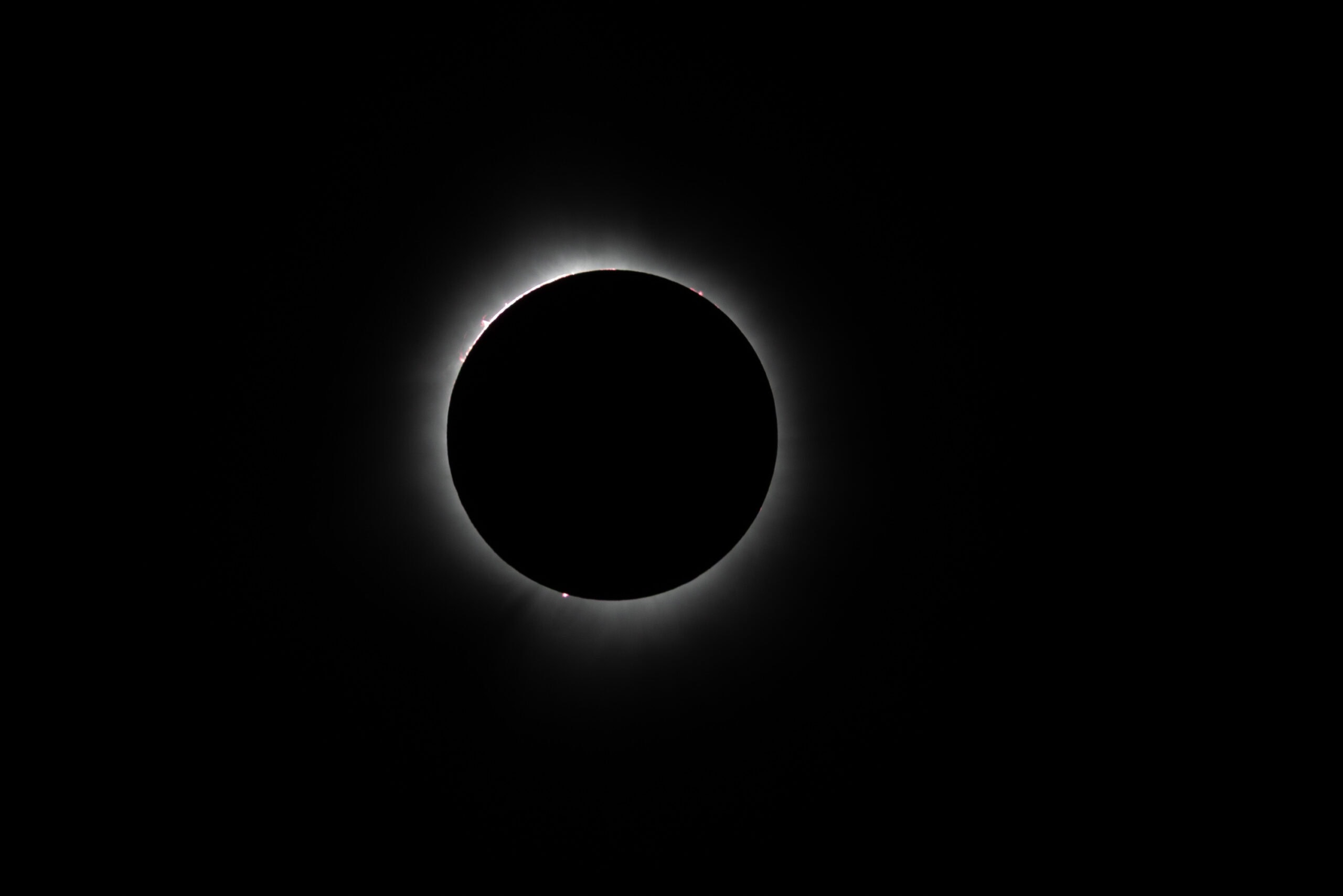
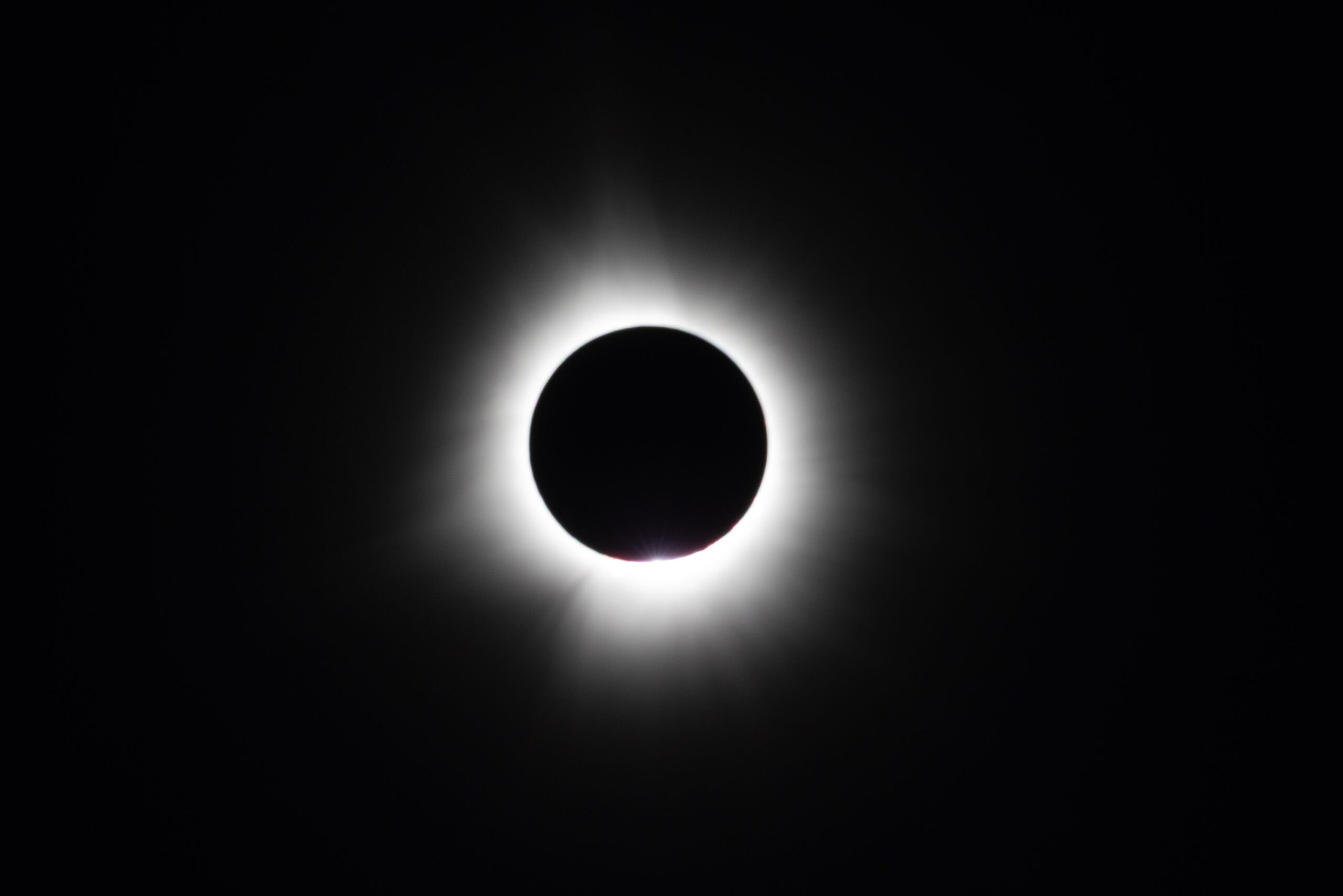
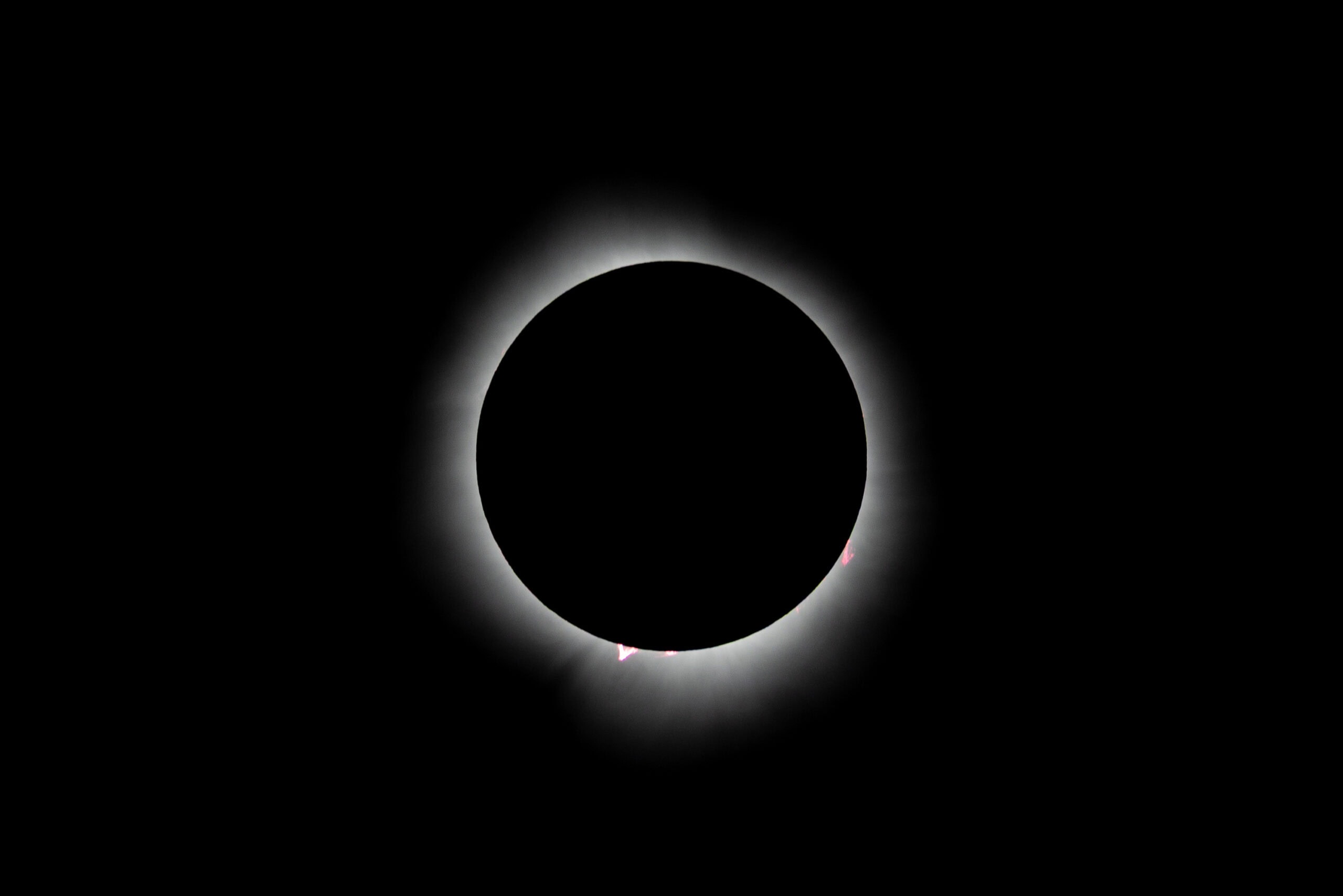
As the moon’s shadow swept completely over the sun, an involuntary wave of cheers erupted across Flanders Park and the Waterfront Parks. Setting up along the shoreline alongside other photographers had already made for an unforgettable morning of shared gear talk, nervous anticipation, and camaraderie. But standing together under the midday dark, all of that melted away. The solar filter came off the 100-400mm lens, revealing the breathtaking, pearlescent corona dancing in raw detail against the black sky.
For over three minutes, a 360-degree sunset glow wrapped the horizon around Tupper Lake while the corona pulsed overhead. The sheer scale of the moment was profound, completely indescribable, and unforgettable—a rare celestial alignment witnessed from the quiet edge of the Adirondack water. As totality passed and the eclipse slowly faded, the high clouds built right back up, ultimately cloaking the sun behind a soft gray layer before it could return to a complete disk.
And that was it, a rare celestial alignment witnessed from the quiet edge of the Adirondack water.